 Business License

Can MVR Evaporators Be Used for Calcium Chloride Concentration?
Calcium Chloride Evaporation & Concentration Systems
Calcium chloride (CaCl₂) is widely used in industrial applications and is commercially produced in different forms, including calcium chloride dihydrate flakes and anhydrous calcium chloride granules.
Industrial calcium chloride can be produced through the reaction of hydrochloric acid with limestone. The hydrochloric acid may come from different sources, including commercial hydrochloric acid as well as by-product HCl generated from other chemical processes, such as barium chloride and lithium hexafluorophosphate (LiPF₆) production.
After reaction, purification, and filtration, the resulting calcium chloride solution must be concentrated to the appropriate level for downstream flaking, granulation, or drying.
However, calcium chloride evaporation presents several technical challenges. Its high solubility, significant boiling point elevation (BPE), increasing viscosity at high concentrations, and corrosive nature make both process design and material selection critical.
A properly designed evaporation system must therefore consider not only energy consumption, but also concentration range, operating temperature, heat-transfer performance, scaling tendency, corrosion resistance, and the requirements of the downstream product.
The Role of MVR in Calcium Chloride Concentration
Mechanical Vapor Recompression (MVR) is increasingly used in industrial evaporation due to its high energy efficiency.
In an MVR system, the secondary vapor generated during evaporation is compressed to increase its pressure and temperature and then reused as the heating medium. This substantially reduces the requirement for external steam during normal operation.
For calcium chloride, however, MVR is not necessarily the most economical solution across the entire concentration range.
Low to Moderate Concentrations
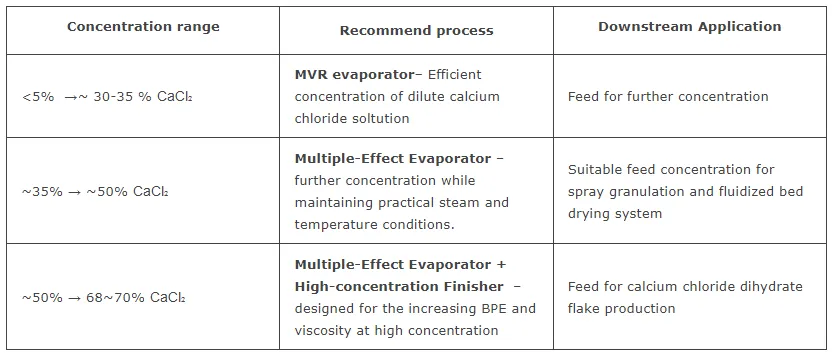
At relatively low CaCl₂ concentrations, MVR evaporation can provide excellent energy efficiency. The boiling point elevation remains manageable, allowing the compressor to operate within a practical temperature-lift range.
For this reason, MVR is particularly suitable for concentrating dilute calcium chloride solutions to approximately 30–35% CaCl₂, depending on the actual feed composition and operating conditions.
Higher Concentrations
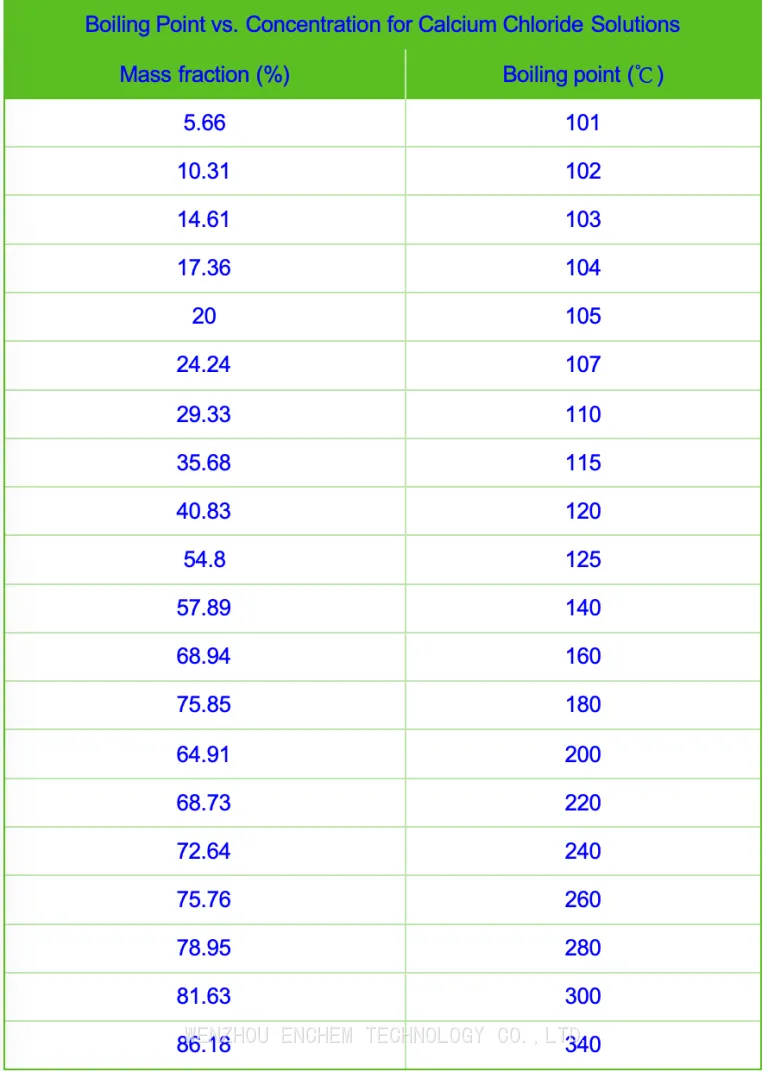
As the calcium chloride concentration increases, its boiling point elevation rises significantly.
At higher concentrations, the required temperature lift may exceed the economical operating range of a conventional single-stage MVR compressor. Achieving the necessary compression ratio may require multi-stage compression or other more complex arrangements, resulting in higher compressor power consumption and capital investment.
Therefore, for high-concentration calcium chloride evaporation, a hybrid process combining MVR, multiple-effect evaporation, and a high-concentration finishing stage can often provide a better balance between energy efficiency, investment cost, and operating reliability.
Recommended Calcium Chloride Concentration Strategy
Production of 94% Anhydrous Calcium Chloride Granules
For anhydrous calcium chloride granule production, the purified CaCl₂ solution can typically be concentrated to approximately 50% before entering the downstream spray granulation and fluidized-bed drying system.
The final drying stage removes the remaining water to produce approximately 94% anhydrous calcium chloride granules.
Production of 77% Calcium Chloride Dihydrate Flakes
For calcium chloride dihydrate flakes, the solution requires further concentration.
After intermediate evaporation, a high-concentration finishing stage is used to increase the CaCl₂ concentration to approximately 68–70%. Due to the substantial boiling point elevation at this concentration, appropriate operating pressure and heating-steam conditions are essential.
The concentrated solution is subsequently cooled and solidified in a flaker. The resulting flakes can then be conditioned and dried in a fluidized-bed system to obtain the required 77% calcium chloride dihydrate flake product.
Why Choose Our Calcium Chloride Evaporation Solutions?
Process Design Based on Final Product
The optimum evaporation process depends on whether the required final product is concentrated CaCl₂ solution, dihydrate flakes, or anhydrous granules. We configure the evaporation and downstream processing system according to the required product specification, feed concentration, capacity, and available utilities.
Optimized Energy Consumption
By integrating MVR, multiple-effect evaporation, and high-concentration finishing technologies according to the appropriate concentration ranges, the system can achieve a practical balance between energy efficiency, equipment investment, and operating reliability.
Designed for High-Concentration Operation
As CaCl₂ concentration increases, viscosity, boiling point elevation, corrosion, and scaling tendency become increasingly important. The evaporation configuration, circulation method, heat-transfer area, and operating conditions are selected accordingly to maintain stable operation.
Corrosion-Resistant Material Selection
Material selection is based on calcium chloride concentration, operating temperature, feed impurities, and the specific service conditions of each equipment component. Appropriate corrosion-resistant materials and alloys are selected to provide a balance between equipment lifetime and investment cost.
Integrated Evaporation and Drying Solutions
Beyond evaporation, we can provide an integrated process covering calcium chloride solution concentration, high-concentration finishing, flaking, granulation, fluidized-bed drying, product cooling, and associated process control.
From dilute calcium chloride solution to 77% dihydrate flakes or 94% anhydrous granules, the complete process can be engineered around the characteristics of the feedstock and the required final product.
Recently Posted
-
MVR vs TVR: Efficiency, Cost, and Application Guide
September 2, 2026In the industrial evaporation field, energy-saving technologies have become critical for reducing operational costs and minimizing Read More
 -
Successful Commissioning of the Potassium-Sodium Separation Four-Effect Evaporator
September 2, 2026OverviewWe are delighted to announce the successful commissioning of the Potassium–Sodium Separation Four-Effect Evaporator System
Read More -
OSLO Crystallizer – Efficient Fluidized Bed Design for Large Crystal Growth
September 2, 2026OverviewIn industrial crystallization processes, crystallizers are commonly classified according to their circulation mechanism an
Read More -
What Is an FC Crystallizer? Design, Working Principle, and Applications
September 2, 2026OverviewCrystallizers can be classified according to their material circulation methods. Among the various crystallizer designs us
Read More

Contact Us
Recommended Products
-
 Titanium Triple-effect Evaporator for Lithium Battery RecycleNegotiableMOQ: 1 Set
 -
Four-effect Falling Film Evaporator for Coffee Extract ConcentrationNegotiableMOQ: 1 Set
-
MVR Evaporator for Dyeing Wastewater TreatmentNegotiableMOQ: 1 Set
-
MVR Evaporator for Landfill Leachate TreatmentNegotiableMOQ: 1 Set
-
Triple-effect Forced Circulation Evaporator for Cobaltous Sulfate RecoveryNegotiableMOQ: 1 Set
-
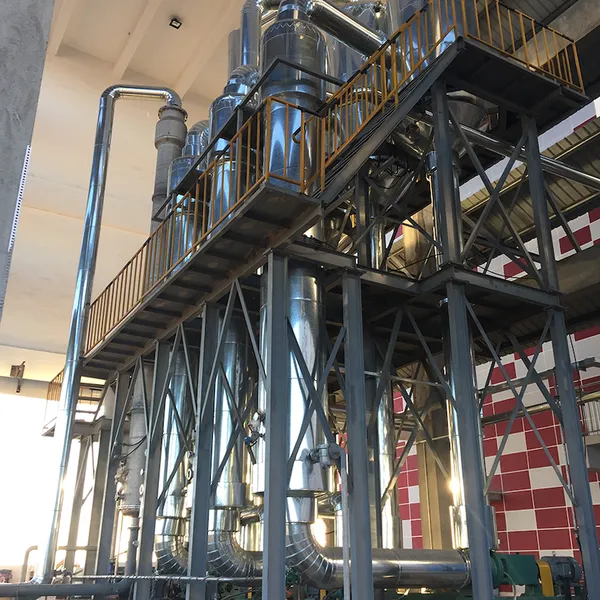
Double-effect Countercurrent and Falling Film Evaporator for Caustic Soda ConcentrationNegotiableMOQ: 1 Plant
-
Double-effect Forced Circulation Evaporator for Calcium Chloride ConcentrationNegotiableMOQ: 1 Set
-
MVR Evaporator for Smelting Wastewater TreatmentNegotiableMOQ: 1 Set
-
Triple-effect Forced Circulation Evaporator for High Salinity Wastewater TreatmentNegotiableMOQ: 1 Set
-
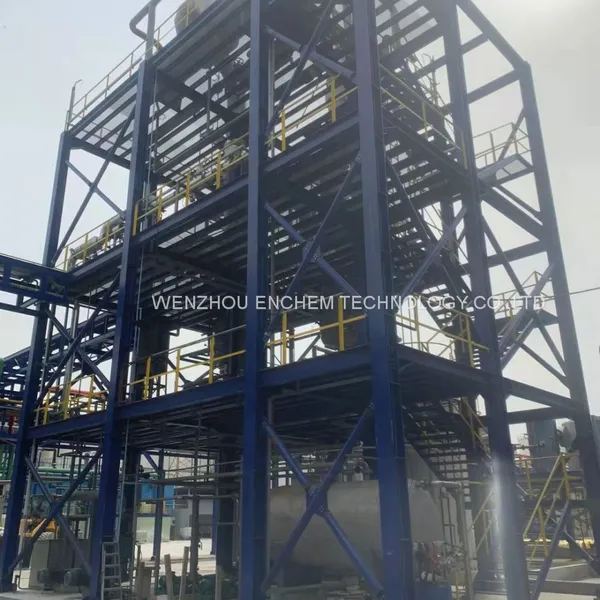
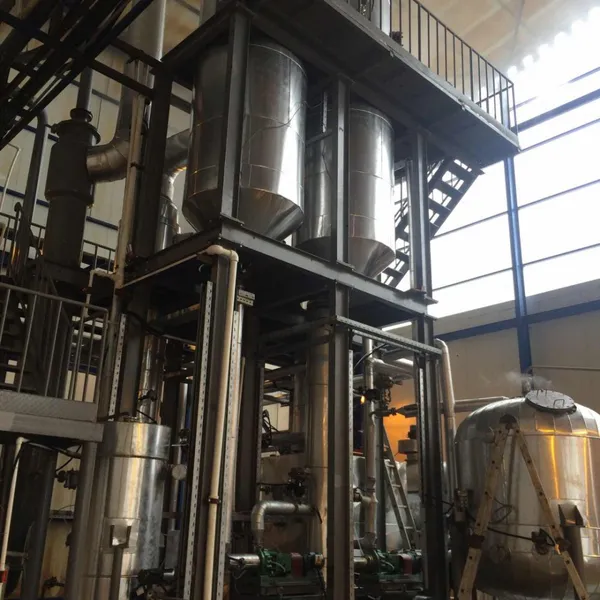
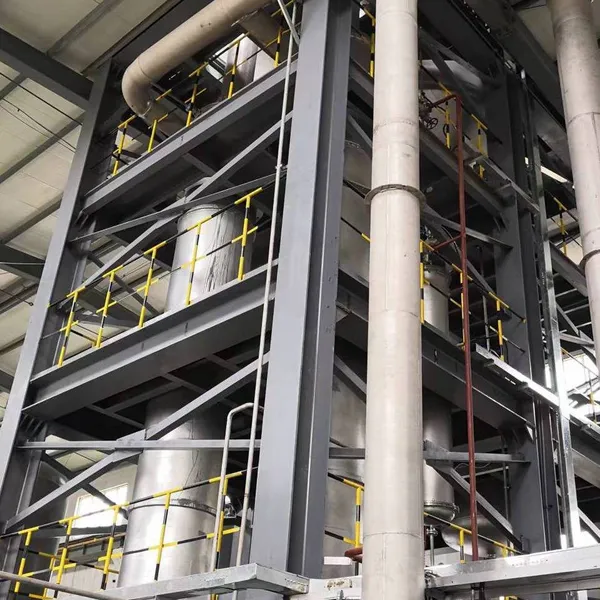
Double-effect Central Circulation Evaporator for Metallurgy Effluent TreatmentNegotiableMOQ: 1 Set
-
Triple-effect Forced Circulation Evaporator for Mix Salt Wastewater TreatmentNegotiableMOQ: 1 Set
-
MVR Evaporator for Bio-pharmaceutical Wastewater TreatmentNegotiableMOQ: 1 Set
-
Calcium Chloride Solution Preparation and Refining PlantNegotiableMOQ: 1 Set
-
Vacuum Decompression Concentrator (Tank)NegotiableMOQ: 1 Set
-
Ammonium Sulfate Crystalline Powder Evaporation and Drying PlantNegotiableMOQ: 1 Set