 Business License

Application of MVR Evaporator in Power Lithium Battery Recycling
Project Background
With the rapid growth of the global new energy industry, the number of retired power lithium batteries is increasing dramatically, driving the rapid expansion of the battery recycling sector. Efficient battery recycling has become an essential part of the circular economy, enabling valuable resources to be recovered while minimizing environmental impact.
Power lithium batteries contain significant quantities of strategic metals, including lithium, nickel, cobalt, and manganese. If these batteries are not properly recycled, they can cause serious environmental pollution and waste valuable natural resources. Modern recycling technologies not only reduce dependence on newly mined materials but also provide a sustainable supply of critical battery metals.
Through advanced hydrometallurgical processes, high-purity battery materials such as nickel sulfate, cobalt sulfate, manganese sulfate, lithium sulfate, and lithium carbonate can be efficiently recovered. Among the entire recycling process, evaporation and crystallization are critical operations that determine the purity, yield, and overall quality of the recovered products.
The performance of the evaporation and crystallization system has a direct impact on product quality, process efficiency, operating costs, and the long-term reliability of the recycling plant. Consequently, selecting the appropriate evaporation technology is one of the most important considerations in modern battery recycling facilities.
Mechanical Vapor Recompression (MVR) evaporation has become the preferred solution for lithium battery recycling projects due to its outstanding energy efficiency, low operating costs, high degree of automation, and ability to consistently produce battery-grade products.
Hydrometallurgical Process in Power Battery Recycling
Among the available recycling technologies, hydrometallurgy is currently the most mature and widely adopted process for recovering valuable metals from spent lithium-ion batteries.
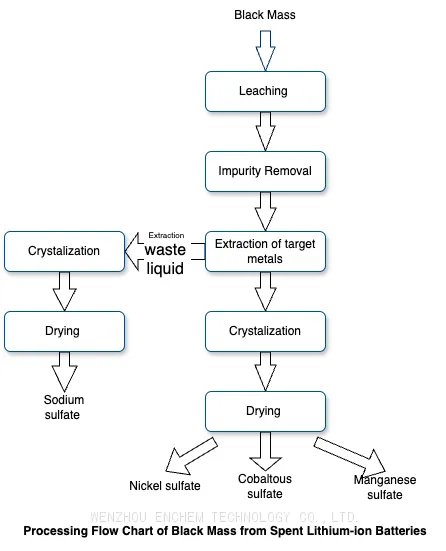
The process begins with battery dismantling, crushing, and physical separation to obtain the active material, commonly known as black mass. The black mass then undergoes acid leaching, impurity removal, solvent extraction, and purification to produce high-purity metal salt solutions containing nickel, cobalt, manganese, and lithium.
These purified solutions are subsequently concentrated through evaporation and crystallization before being dried to produce battery-grade nickel sulfate, cobalt sulfate, manganese sulfate, and other valuable metal salts. These materials are essential raw materials for manufacturing ternary cathode precursors (NCM), completing the closed-loop recycling of retired batteries into new battery materials.
MVR Evaporator: The Core Equipment for High-Efficiency Evaporation and Crystallization
Within the hydrometallurgical recycling process, evaporation and crystallization are among the most energy-intensive operations. MVR evaporators have become the preferred technology because they significantly reduce steam consumption while maintaining excellent product quality and stable continuous operation.
Key Advantages of MVR in Battery Recycling:
1) Outstanding Energy Efficiency
MVR technology compresses and recycles the secondary vapor generated during evaporation, allowing the latent heat to be reused as the primary heating source. As a result, fresh steam consumption is drastically reduced, leading to substantial energy savings and lower operating costs.
2) Stable and Continuous Operation
MVR evaporators provide stable operating conditions for concentrating and crystallizing metal salt solutions such as nickel sulfate, cobalt sulfate, manganese sulfate, sodium sulfate, and sodium chloride. Precise temperature and concentration control ensure consistent crystal quality and high product purity.
3) High Degree of Antomation
MVR systems are equipped with advanced instrumentation and intelligent control systems for real-time monitoring of process parameters, condensate quality, liquid levels, temperatures, and pressures. Automated operation, online cleaning functions, and intelligent fault diagnostics improve equipment reliability while reducing maintenance requirements and labor costs.
4) Environmental Sustainability
MVR technology greatly reduces steam consumption, cooling water demand, and carbon emissions compared with conventional evaporation systems. In addition, the high-quality condensate can often be reused within the process, further reducing water consumption and supporting sustainable plant operation.
Reference Project: MVR Evaporators in Lithium Battery Recycling
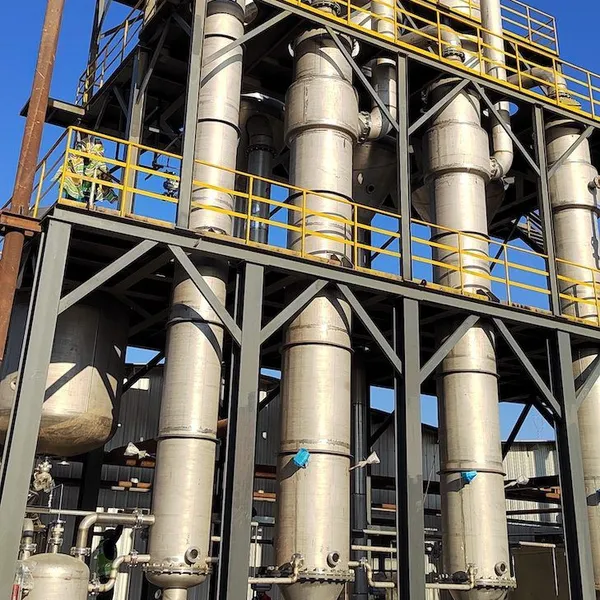
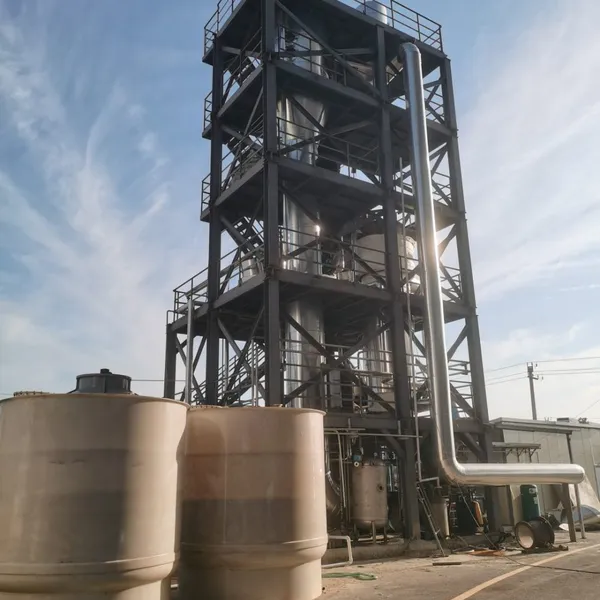
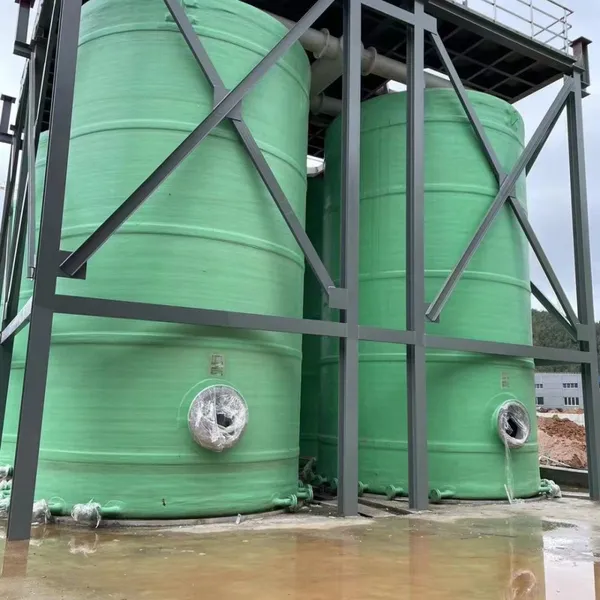
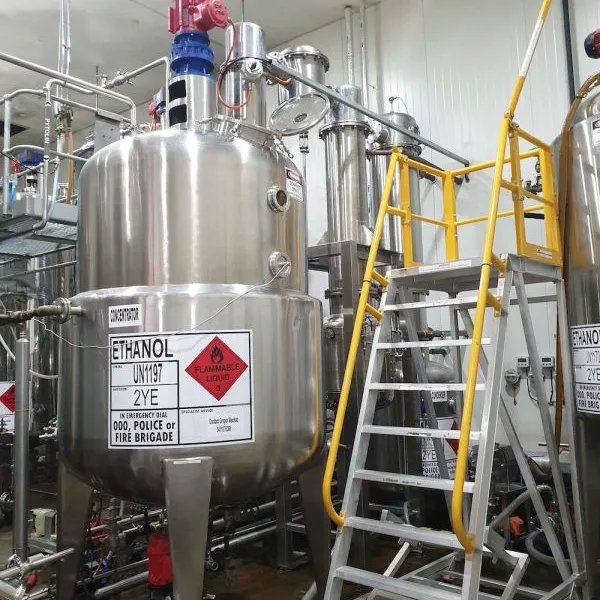
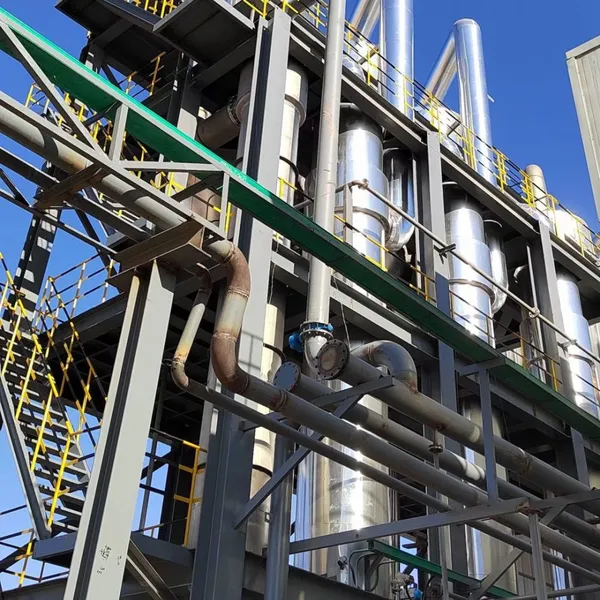
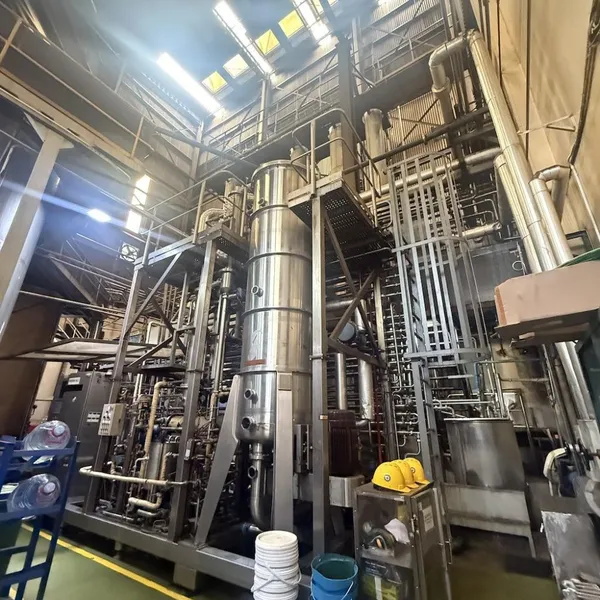
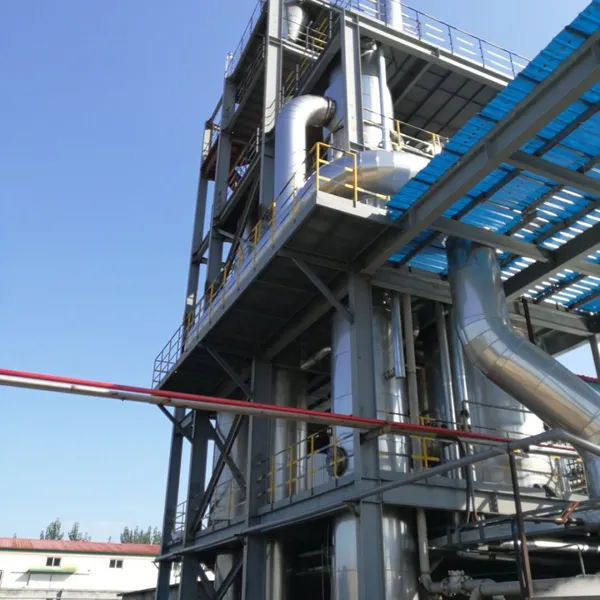
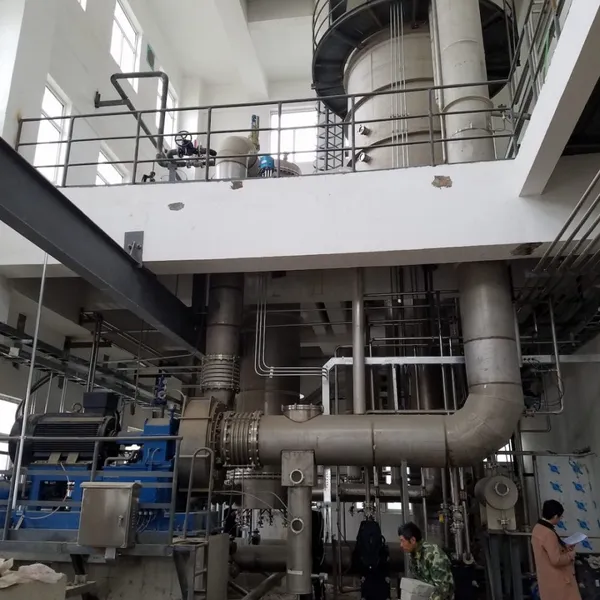
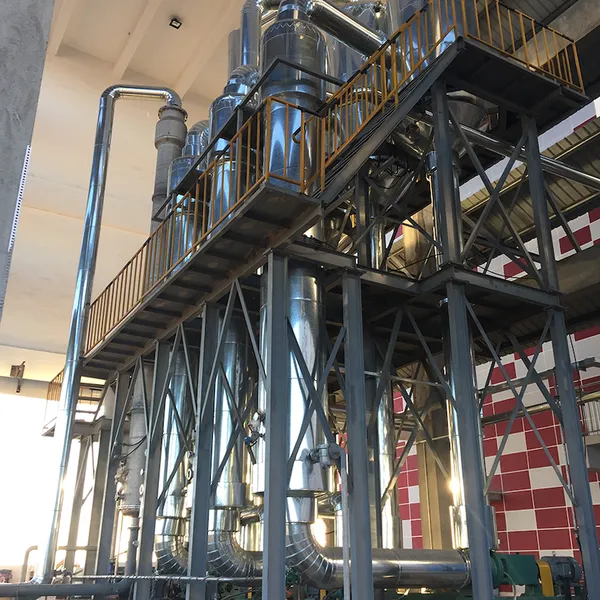
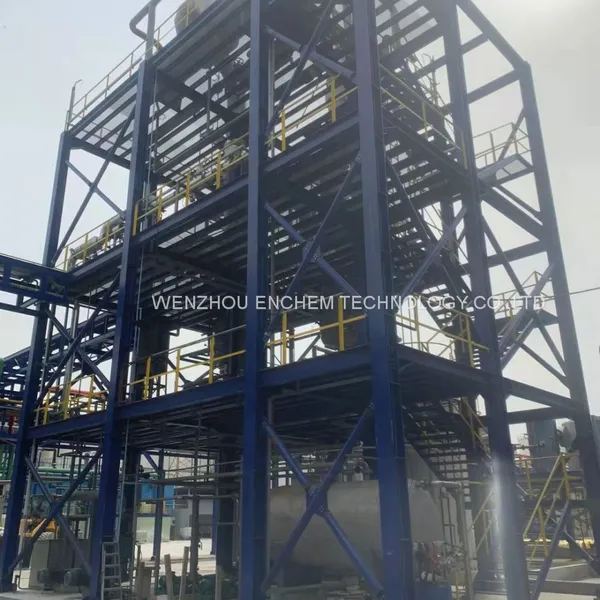
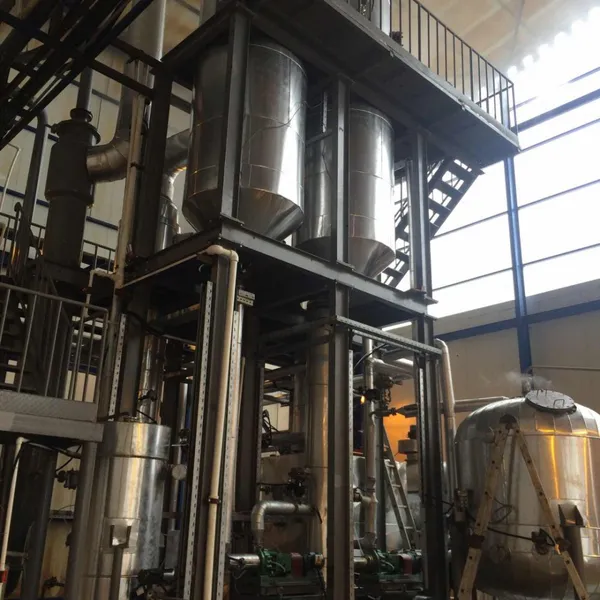
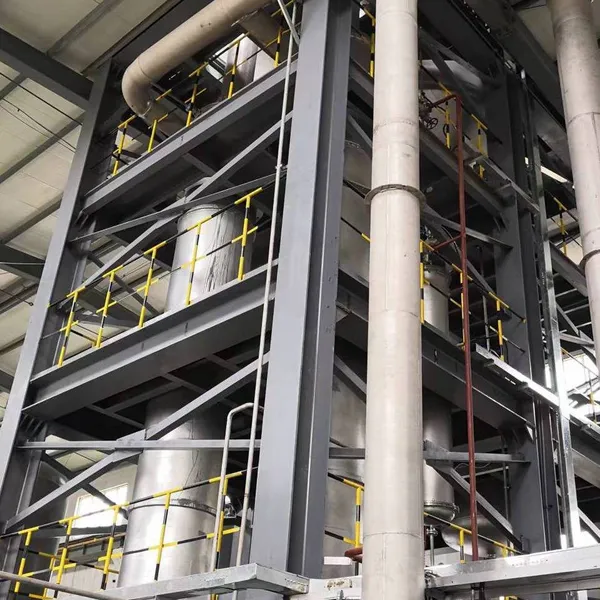
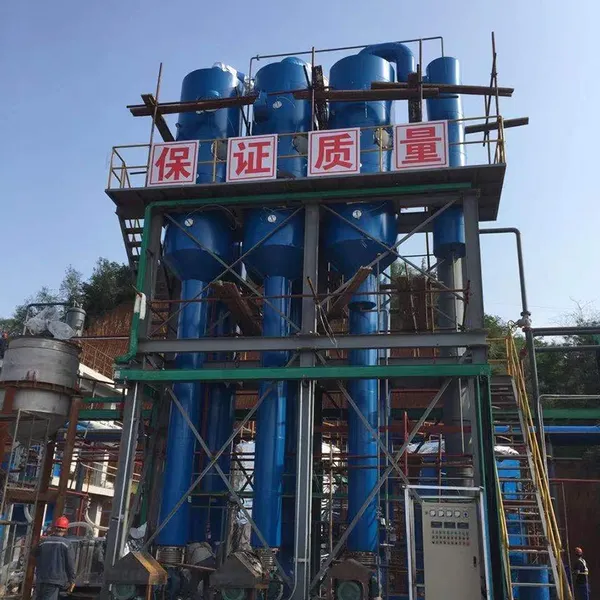
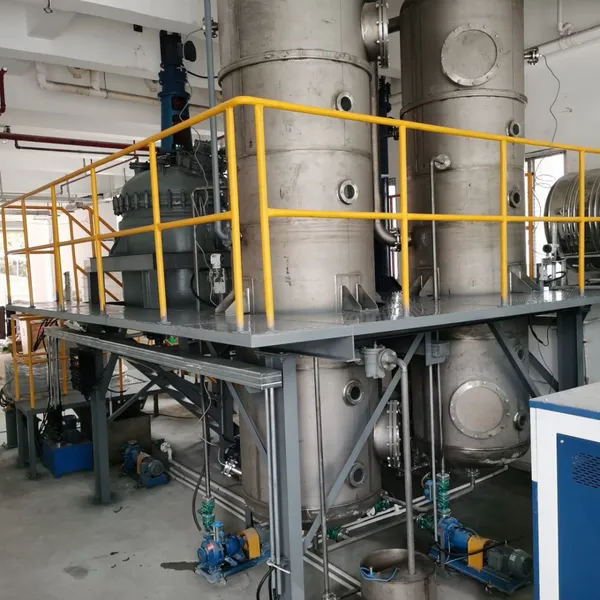
Our company has successfully supplied multiple MVR evaporation and crystallization systems for a large-scale lithium battery recycling project. Each system was specifically designed to meet the requirements of different process streams.
The supplied equipment includes:
MVR Evaporator for Sodium Sulfate Concentration – Evaporation capacity: 38 t/h
MVR Evaporator for Sodium Chloride Crystallization – Evaporation capacity: 3 t/h
MVR Evaporator for Nickel Sulfate Crystallization – Evaporation capacity: 4 t/h
MVR Evaporator for Cobalt Sulfate Crystallization – Evaporation capacity: 1.2 t/h
MVR Evaporator for Manganese Sulfate Crystallization – Evaporation capacity: 1.6 t/h
Recently Posted
-
Can MVR Evaporators Be Used for Calcium Chloride Concentration?
September 3, 2026Calcium Chloride Evaporation & Concentration SystemsCalcium chloride (CaCl₂) is widely used in industrial applications and is Read More
 -
MVR vs TVR: Efficiency, Cost, and Application Guide
September 2, 2026In the industrial evaporation field, energy-saving technologies have become critical for reducing operational costs and minimizing
Read More -
Successful Commissioning of the Potassium-Sodium Separation Four-Effect Evaporator
September 2, 2026OverviewWe are delighted to announce the successful commissioning of the Potassium–Sodium Separation Four-Effect Evaporator System
Read More -
OSLO Crystallizer – Efficient Fluidized Bed Design for Large Crystal Growth
September 2, 2026OverviewIn industrial crystallization processes, crystallizers are commonly classified according to their circulation mechanism an
Read More

Contact Us
Recommended Products
-
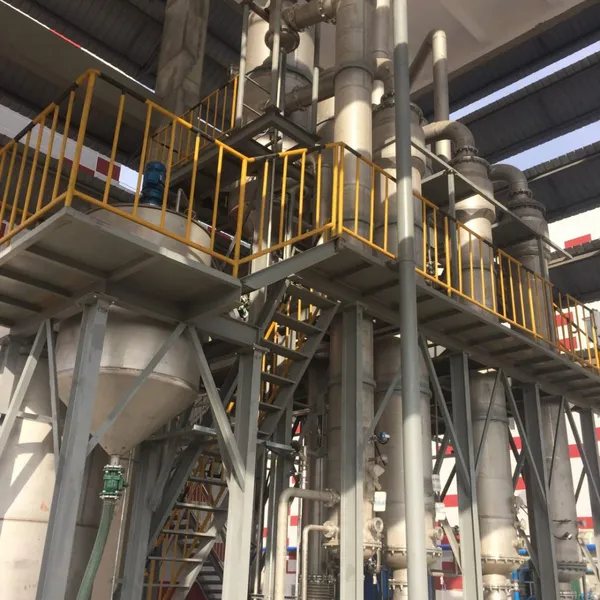
 Titanium Triple-effect Evaporator for Lithium Battery RecycleNegotiableMOQ: 1 Set
 -
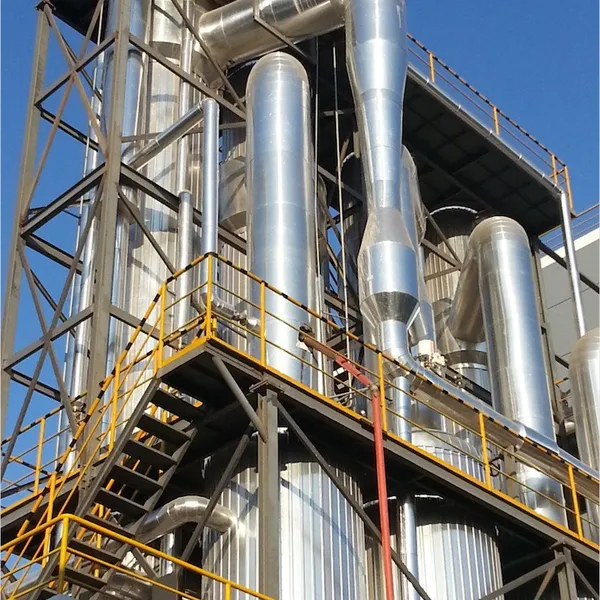
Four-effect Falling Film Evaporator for Coffee Extract ConcentrationNegotiableMOQ: 1 Set
-
MVR Evaporator for Dyeing Wastewater TreatmentNegotiableMOQ: 1 Set
-
MVR Evaporator for Landfill Leachate TreatmentNegotiableMOQ: 1 Set
-
Triple-effect Forced Circulation Evaporator for Cobaltous Sulfate RecoveryNegotiableMOQ: 1 Set
-
Double-effect Countercurrent and Falling Film Evaporator for Caustic Soda ConcentrationNegotiableMOQ: 1 Plant
-
Double-effect Forced Circulation Evaporator for Calcium Chloride ConcentrationNegotiableMOQ: 1 Set
-
MVR Evaporator for Smelting Wastewater TreatmentNegotiableMOQ: 1 Set
-
Triple-effect Forced Circulation Evaporator for High Salinity Wastewater TreatmentNegotiableMOQ: 1 Set
-
Double-effect Central Circulation Evaporator for Metallurgy Effluent TreatmentNegotiableMOQ: 1 Set
-
Triple-effect Forced Circulation Evaporator for Mix Salt Wastewater TreatmentNegotiableMOQ: 1 Set
-
MVR Evaporator for Bio-pharmaceutical Wastewater TreatmentNegotiableMOQ: 1 Set
-
Calcium Chloride Solution Preparation and Refining PlantNegotiableMOQ: 1 Set
-
Vacuum Decompression Concentrator (Tank)NegotiableMOQ: 1 Set
-
Ammonium Sulfate Crystalline Powder Evaporation and Drying PlantNegotiableMOQ: 1 Set