 Business License

HOW TO REDUCE ENERGY CONSUMPTION IN MVR EVAPORATORS
Among the various evaporation and crystallization technologies available today, Mechanical Vapor Recompression (MVR technology) stands out for its exceptional energy efficiency. However, despite its inherent advantages, there remain multiple practical strategies that can be employed to further enhance the energy performance and operational reliability of MVR systems.
Optimize Pretreatment of Feed Liquid• Reduce solid content: Remove suspended solids through filtration, centrifugation, or sedimentation. This reduces fouling risk in heat exchangers and improves heat transfer efficiency.
• Adjust pH / use antiscalants: Proper chemical conditioning helps minimize scaling and corrosion, extending cleaning cycles and maintaining performance.
• Preheat feed liquid: Utilize residual heat from condensate or concentrate to preheat the incoming feed, thus lowering the energy required for heating.
Improve Compressor Efficiency• Choose the right compressor: Select centrifugal or screw compressors that match the system’s design and operating conditions.
• Use Variable Frequency Drives (VFD): Dynamically adjust compressor speed based on evaporation load to avoid energy waste.
• Regular maintenance: Clean blades, inspect seals, and ensure proper lubrication to maintain mechanical efficiency.
Optimize Heat Exchanger Performance• Use effective feed distributors: Ensure uniform distribution of liquid within the heat exchanger to achieve consistent heating.
• Plan regular cleaning: Use chemical or mechanical methods to remove scale buildup and maintain high heat transfer rates.
• Optimize heat transfer area: Design the evaporator and condenser with suitable surface areas to prevent over- or under-sizing.
Integrate Heat and Recover Waste Energy• Recover waste heat: Reuse heat from condensate and exhaust or install heat pumps to utilize low-grade thermal energy.
• Couple with multiple-effect evaporation: Integrate MVR with multi-effect evaporation systems, using vapor from early effects to reduce the load on the compressor.
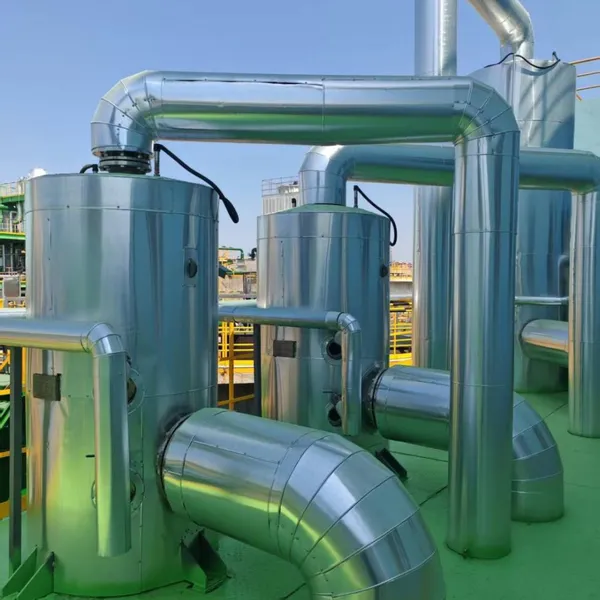
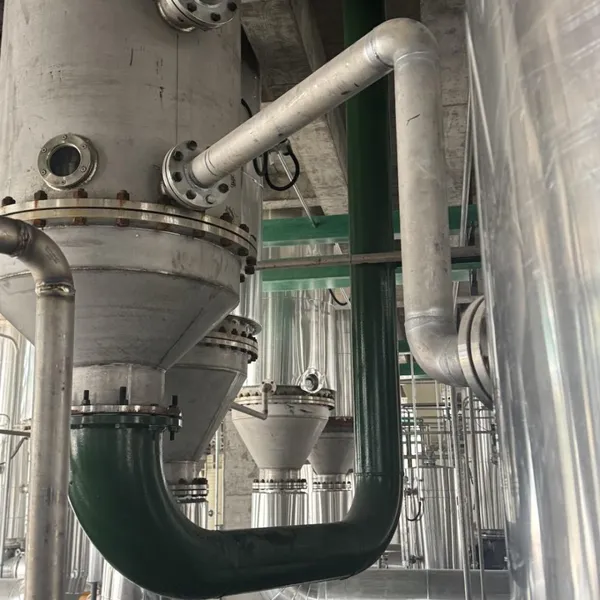
• Improve insulation: Insulate steam and condensate pipelines—especially high-temperature sections—to minimize heat loss.
Optimize Operating Parameters• Fine-tune temperature and pressure: Lower evaporation temperatures within acceptable limits to reduce compressor power (while maintaining performance).
• Control compression ratio: Identify the optimal ratio through testing to avoid excessive energy demand.
• Maintain stable load conditions: Avoid frequent start-stop cycles and large fluctuations, keeping the system within its most efficient range.
Implement Intelligent Control and Monitoring• Install real-time sensors: Continuously monitor pressure, temperature, liquor level and power to adjust operations dynamically.
• Develop energy efficiency models: Use data analytics or machine learning to predict and maintain optimal system conditions.
• Conduct regular energy audits: Analyze energy use patterns and target inefficiencies for improvement.
Apply Other Technological Enhancements• Use high-efficiency separators: Improve gas-liquid separation to reduce entrainment and compressor load.
• Design system redundancy: Add backup pumps or compressors to ensure continuous and efficient operation during maintenance or failure.
ConclusionThe optimization measures outlined above address key aspects of MVR evaporator design and operation, including feed pretreatment, compressor efficiency, heat exchange performance, waste heat recovery, process control, and system reliability. These strategies can be selectively adopted and integrated into the system design based on the specific technical, economic, and operational requirements of each project. By doing so, MVR systems can achieve even greater energy efficiency, lower operational costs, and more stable long-term performance.
Recently Posted
-
Comparison of DTB, Oslo, and FC Crystallizers: Principles, Characteristics, and Applications
August 12, 2026AbstractIndustrial crystallization is widely used in chemical, fertilizer, pharmaceutical, and wastewater treatment industries for Read More
 -
Liquid Ring Vacuum Pumps in Evaporation System
August 12, 2026AbstractVacuum systems play a crucial role in industrial evaporation processes by reducing operating pressure and enabling low-tem
Read More -
Achieving Low Residual Moisture Content in Industrial Salt Crystallization Processes
August 12, 2026The Importance of Low Residual Moisture ContentIn industrial crystallization and salt production processes, achieving low residual
Read More -
Successful Commissioning of Instant Coffee Liquor 4-Effect Evaporator Upgrading Project in Indonesia
August 11, 2026We are proud to announce the successful commissioning of an Instant Coffee Liquor 4-effect evaporator upgrading project in Indones
Read More

Contact Us
Recommended Products
-
 Falling-Film EvaporatorNegotiableMOQ: 1 Set
 -
Forced-Circulation EvaporatorNegotiableMOQ: 1 Set
-
MVR Evaporator for Lithium Sulfate ConcentrationNegotiableMOQ: 1 Set
-
Triple-Effect Forced Circulation Evaporator for Reverse Osmosis ConcentrateNegotiableMOQ: 1 Set
-
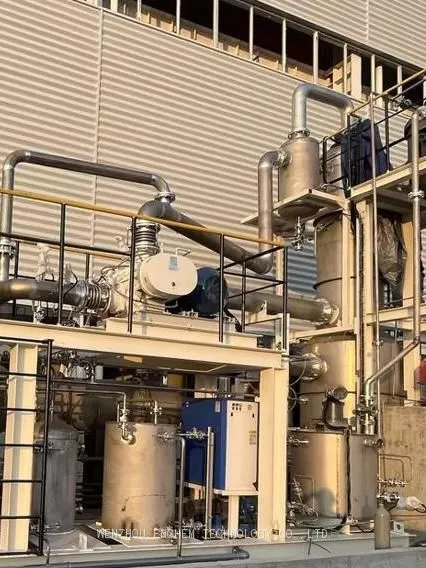
Skid-Mounted MVR Evaporator SystemNegotiableMOQ: 1 Set
-
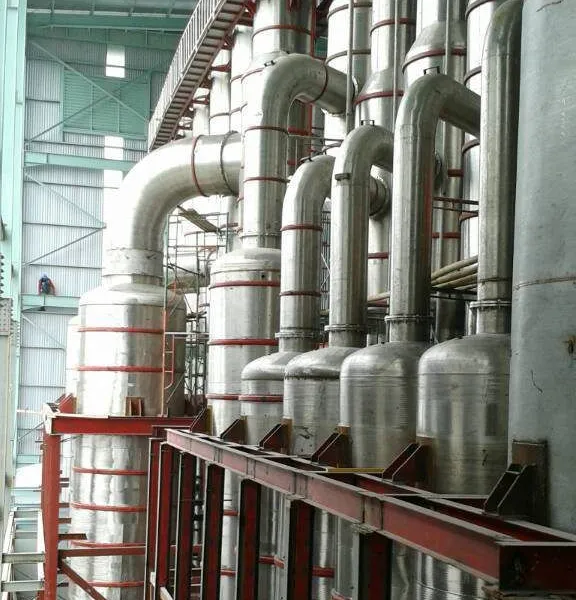
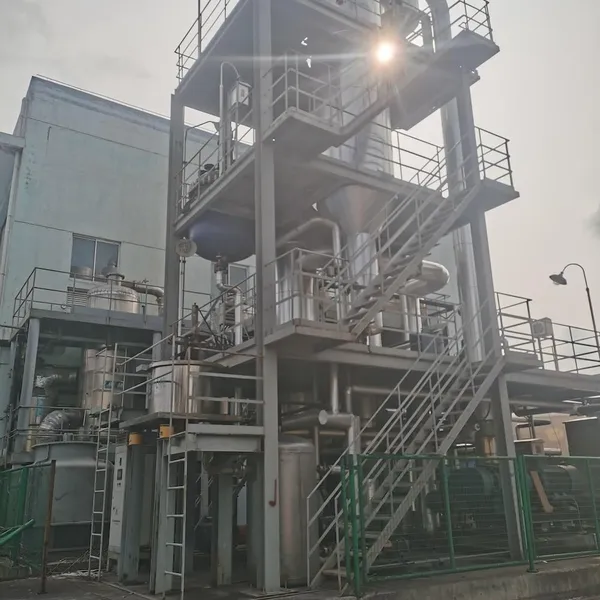
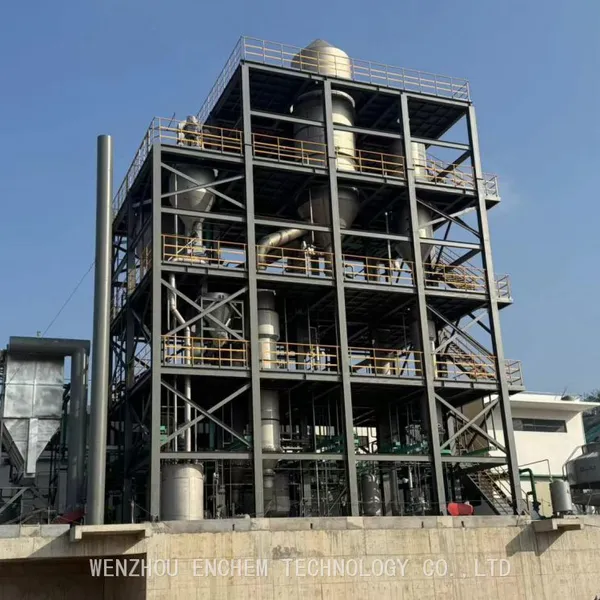
MVR EvaporatorNegotiableMOQ: 1 Set
-
MVR Evaporator for Anhydrous Sodium Sulfate (Na₂SO₄) ProductionNegotiableMOQ: 1 Set
-
MVR Distillation TechnologyNegotiableMOQ: 1 Set
-
Potassium-Sodium Separation EvaporatorNegotiableMOQ: 1 Set
-
Barium Chloride Evaporation and Crystallization System for Industrial ProductionNegotiableMOQ: 1 Set
-
Industrial Multi-Effect Evaporation Crystallization System for Barium Chloride ProductionNegotiableMOQ: 1 Set
-
Five-effect Falling Film Evaporator for HFCS ConcentrationNegotiableMOQ: 1 Set
-
Hybrid Calcium Chloride Concentration Evaporator SystemNegotiableMOQ: 1 Set
-
Containerized Low-Temperature Heat Pump Crystallization EvaporatorNegotiableMOQ: 1 Set
-
Containerized Low-Temperature Heat Pump Concentration EvaporatorNegotiableMOQ: 1 Set