 Business License

ENSURING CONDENSATE WATER QUALITY IN EVAPORATOR SYSTEMS
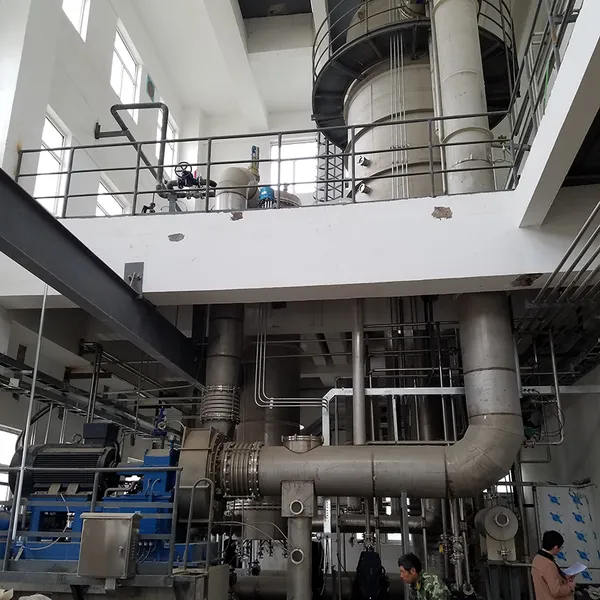
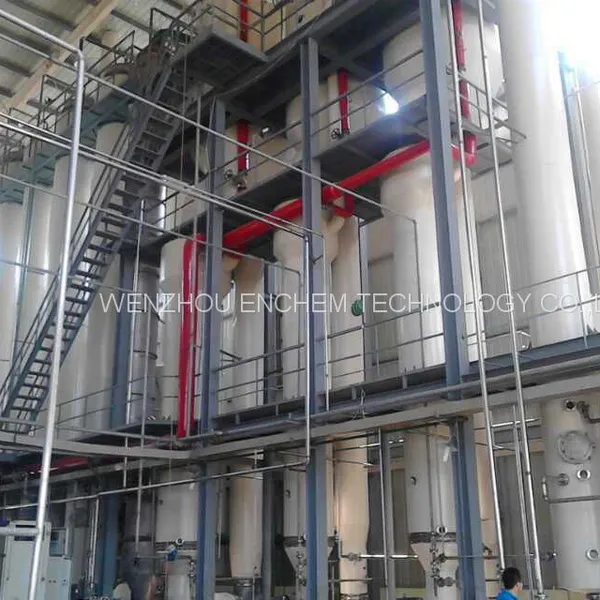
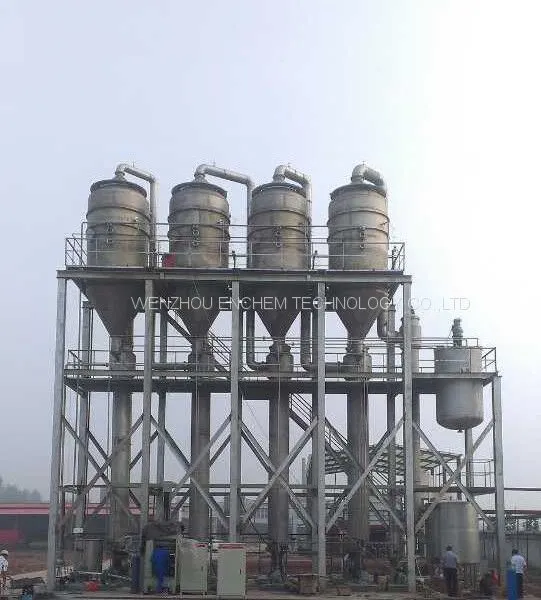
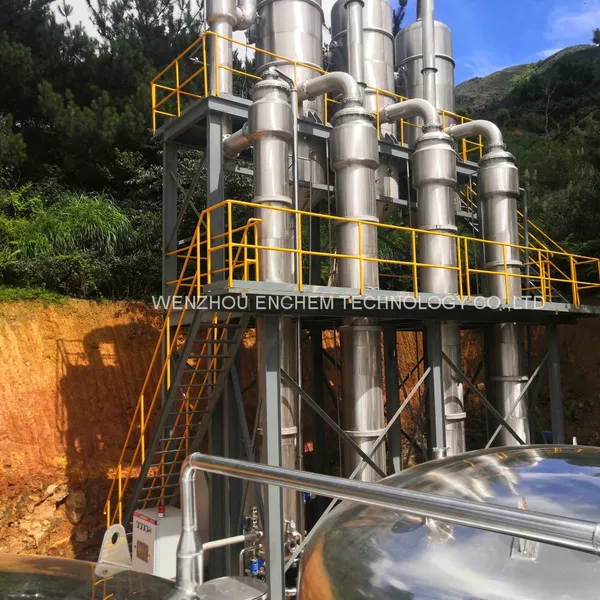
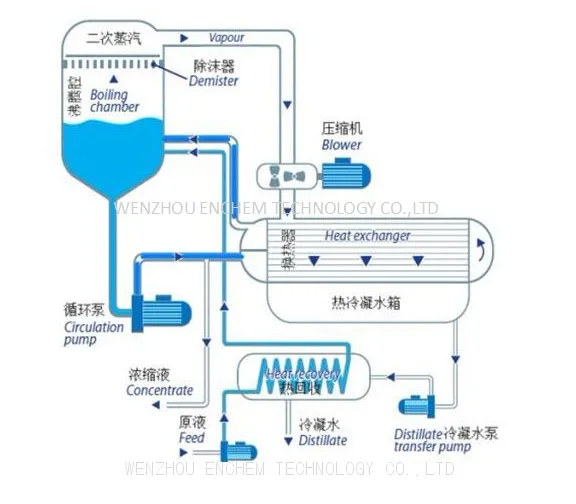
An evaporator is a device that heats a liquid to convert the solvent—typically water—into vapor. This process is used to concentrate the solution or to separate the solvent from solutes. Evaporators are widely applied in industries such as:
• Chemicals
• Pharmaceuticals
• Food processing
• Environmental protection
• Battery material production
In addition to achieving concentration and separation, ensuring the quality of the recovered condensate is critical—especially in applications where the condensate is reused or must meet stringent environmental regulations.
Key Measures to Ensure Condensate QualityTo maintain high condensate purity, several design and operational measures are commonly implemented in modern evaporator systems:
1. Demister System
A well-designed three-stage demister, combined with optimized vapor velocity and separation height, effectively reduces the risk of liquid droplet entrainment, protecting the quality of the condensate.
2. Evaporation Boiling Point Control
A Heat and Balance System (HABS) ensures precise temperature control during evaporation. This prevents high-boiling-point contaminants from vaporizing and entering the condensate stream.
3. pH Adjustment System
An automated acid/alkali dosing system adjusts the pH of the feed based on real-time COD and pH readings, ensuring stable water quality in the condensate.
4. Foam Detection and Antifoaming
A foam monitoring system detects abnormal foaming and automatically doses antifoaming agents to prevent foam-related contamination and carryover.
5. Upstream and Downstream Pretreatment Modules
Where needed, pretreatment and post-treatment systems—such as precipitation tanks, filtration units, oil-water separators, and reverse osmosis (RO)—are integrated to further purify the feed or polish the condensate.
6. Real-Time Instrumentation Monitoring
Online sensors installed at the condensate outlet provide continuous quality monitoring. If quality deviations occur, the system automatically recirculates or redirects non-compliant condensate for reprocessing.
ConclusionThe measures outlined above can be flexibly selected and applied based on the specific characteristics of the feed solution, the required condensate quality, and the overall system design. By tailoring these strategies to actual process conditions, the reliability and purity of the recovered condensate in various industrial evaporation applications can be ensured.
Recently Posted
-
Can MVR Evaporators Be Used for Calcium Chloride Concentration?
September 2, 2025Calcium chloride is a versatile product — from anhydrous granules to dihydrate flakes — but its high solubility, high boiling poin Read More
 -
MVR vs TVR: Efficiency, Cost, and Application Guide
July 14, 2025In the industrial evaporation field, energy-saving technologies have become critical for reducing operational costs and minimizing
Read More -
Congratulations on Successful Commissioning of Potassium-Sodium Separation Four-Effect Evaporator
July 10, 2025OverviewWe are pleased to announce that the Potassium-Sodium Separation Four-Effect Evaporator System, engineered and delivered by
Read More -
What Is an FC Crystallizer? Design, Working Principle, and Applications
June 24, 2025When crystallizers are classified based on the mode of material circulation, the three most commonly used types are External
Read More

Contact Us
Recommended Products
-
 Anhydrous Calcium Chloride Granulation & Drying SystemNegotiableMOQ: 1 Set
 -
Potassium-Sodium Separation EvaporatorNegotiableMOQ: 1 Set
-
Skid-Mounted MVR Evaporator SystemNegotiableMOQ: 1 Set
-
MVR Distillation TechnologyNegotiableMOQ: 1 Set
-
MVR Evaporator for Anhydrous Sodium Sulfate (Na₂SO₄) ProductionNegotiableMOQ: 1 Set
-
Ethanol Recovery System (Ethanol Recovery From Waste Liquid Soap)NegotiableMOQ: 1 Set
-
MVR Evaporator for Lithium Sulfate ConcentrationNegotiableMOQ: 1 Set
-
MVR EvaporatorNegotiableMOQ: 1 Set
-
MVR Evaporator for Smelting Wastewater TreatmentNegotiableMOQ: 1 Set
-
MVR Evaporator for Bio-pharmaceutical Wastewater TreatmentNegotiableMOQ: 1 Set
-
Integrated MVR EvaporatorNegotiableMOQ: 1 Set
-
MVR Evaporator for Sodium Sulfate Wastewater TreatmentNegotiableMOQ: 1 Set
-
MVR Evaporator for Dyeing Wastewater TreatmentNegotiableMOQ: 1 Set
-
MVR Evaporator for Landfill Leachate TreatmentNegotiableMOQ: 1 Set
-
Magnesium Sulfate Heptahydrate Production Plant From Waste Sulfuric AcidNegotiableMOQ: 1 Set
-
Mutiple-effect MVR EvaporatorNegotiableMOQ: 1 Set
-
Tubular Falling Film EvaporatorNegotiableMOQ: 1 Set
-
Mutiple-effect Forced Circulation EvaporatorNegotiableMOQ: 1 Set
-
Triple-effect Evaporating Crystalizer for Inorganic Salt ProductionNegotiableMOQ: 1 Set
-
Falling Film Evaporator With Molten Salt System for Caustic Soda 50% - 99% ConcentrationNegotiableMOQ: 1 Set