 Business License

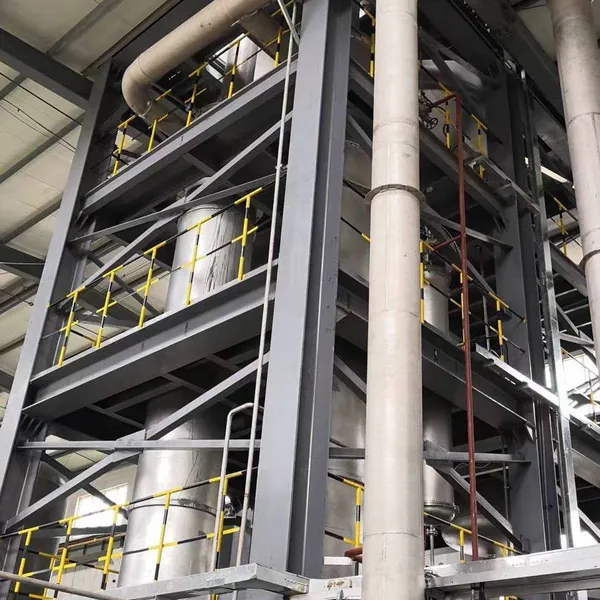
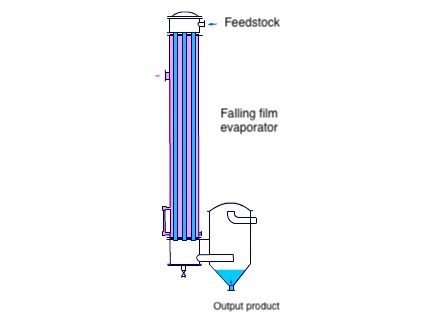
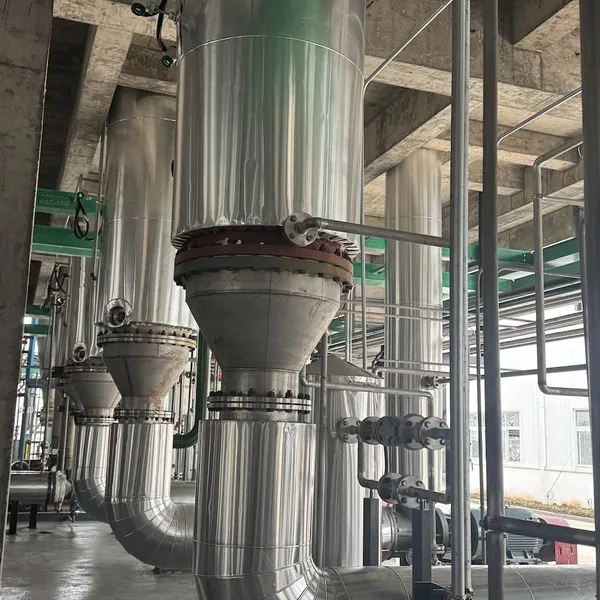
Principle and Improvement of falling film evaporator
The big difference between the falling film evaporator and the rising film evaporator is that the flowing direction is downwards rather than upwards, and that causes big changes of the operation condition of the falling film evaporator:
1. The flow velocity of raw material liquid must be controlled, otherwise the 1st to 4th stage (1. preheating stage; 2. bubble generation stage; 3. emulsification stage; 4. conversion stage) could not be finished in short time, and the film was failed to be formed. Previously, it is discussed that conditions of film formation, thereinto, a certain gas-liquid ratio must be controlled, otherwise the film could not be formed due to small amount of gas. This is why a liquid distributor must be set on the top of each heating tube.
2. In the falling film evaporator, the flow rate of the material is greater than that of the rising film evaporator, which is conducive to film formation, so the evaporation efficiency was not smaller than that of the rising film evaporator under condition of controlled input flow rate.
3. In the falling film evaporator, the heating tubes were not filled with material, the heat transfer efficiency is higher than the rising film evaporator from the 1ststage preheating stage, so the evaporation efficiency of falling film evaporator does not decrease due to the fast flow rate of the material liquid.
4. In the falling film evaporator, the amount and flow rate of gas required for film formation is less because of the fast flow rate of material, which is also conducive to guarantee the evaporation efficiency of the falling film evaporator.
ImprovementFrom the above discussion, it is known that flowing in film state is the key to the falling film evaporator. So the improvement of the evaporation efficiency of the falling film evaporator, shall start from it.
Obviously, controlling the flow rate of material and the uniformity of film flow are the key to improve the evaporation efficiency of the falling film evaporator:
In conclusion, the following solution can be adopted for improvement of the evaporation efficiency of the falling film evaporator:
1. Improve the liquid distributor, optimize the flow velocity of material liquid and the uniformity of film flow.
2. High operation requirements on the falling film evaporator, so the automatic control has a great impact on the evaporation efficiency.
Recently Posted
-
Successful Commissioning of Instant Coffee Liquor 4-Effect Evaporator Upgrading Project in Indonesia
August 11, 2026We are proud to announce the successful commissioning of an Instant Coffee Liquor 4-effect evaporator upgrading project in Indones Read More
 -
Evaporator Equipment Driving Efficiency in Lithium Battery Recycling
August 11, 2026Why Lithium Battery Recycling MattersLithium-ion batteries have become an essential part of daily life—from smartphones and laptop
Read More -
Lithium Battery Recycling: Recovering Valuable Materials for a Sustainable Energy Future
August 11, 2026Background and Significance of Lithium Battery RecyclingWith the rapid growth of electric vehicles (EVs), renewable energy storage
Read More -
NiSO₄·6H₂O Crystals: Continuous vs Batch Crystallization
August 11, 2026Nickel sulfate (NiSO₄) is predominantly used in industry in the form of nickel sulfate hexahydrate (NiSO₄·6H₂O), appearing as brig
Read More

Contact Us
Recommended Products
-
 Potassium-Sodium Separation EvaporatorNegotiableMOQ: 1 Set
 -
Barium Chloride Evaporation and Crystallization System for Industrial ProductionNegotiableMOQ: 1 Set
-
Industrial Multi-Effect Evaporation Crystallization System for Barium Chloride ProductionNegotiableMOQ: 1 Set
-
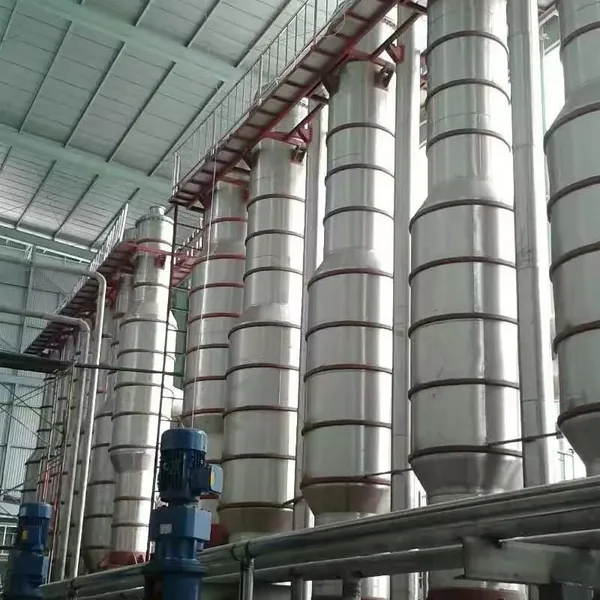
Five-effect Falling Film Evaporator for HFCS ConcentrationNegotiableMOQ: 1 Set
-
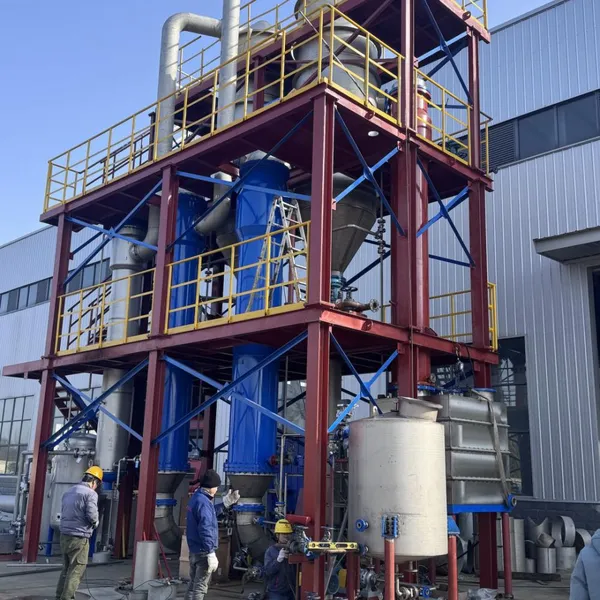
Hybrid Calcium Chloride Concentration Evaporator SystemNegotiableMOQ: 1 Set
-
Containerized Low-Temperature Heat Pump Crystallization EvaporatorNegotiableMOQ: 1 Set
-
Containerized Low-Temperature Heat Pump Concentration EvaporatorNegotiableMOQ: 1 Set
-
Containerized MVR EvaporatorNegotiableMOQ: 1 Set
-
4-Effect TVR Evaporator for Instant Coffee ProductionNegotiableMOQ: 1 Set
-
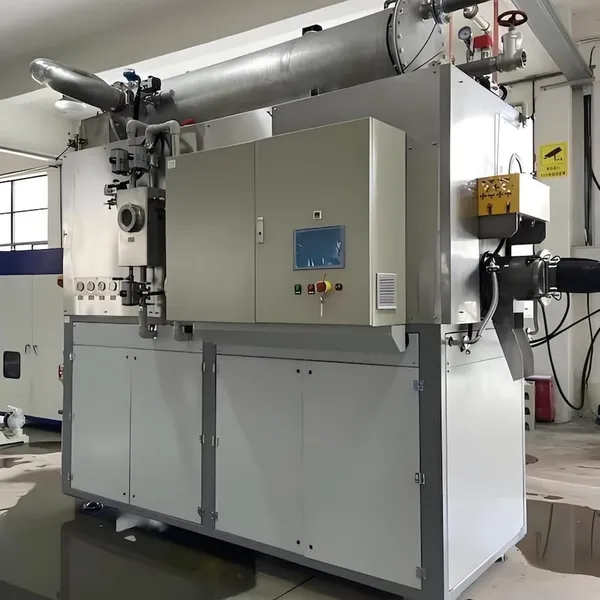
MVR Evaporator System for Lithium Battery Black Mass Leachate CrystallizationNegotiableMOQ: 1 Set
-
Battery-Grade Nickel Sulfate Hexahydrate Evaporation & Crystallization PlantNegotiableMOQ: 1 Set
-
Waste Hydrochloric Acid Recycling Solution and Calcium Chloride Production SolutionNegotiableMOQ: 1 Set
-
Anhydrous Calcium Chloride Granulation & Drying SystemNegotiableMOQ: 1 Set
-
Skid-Mounted MVR Evaporator SystemNegotiableMOQ: 1 Set
-
MVR Distillation TechnologyNegotiableMOQ: 1 Set
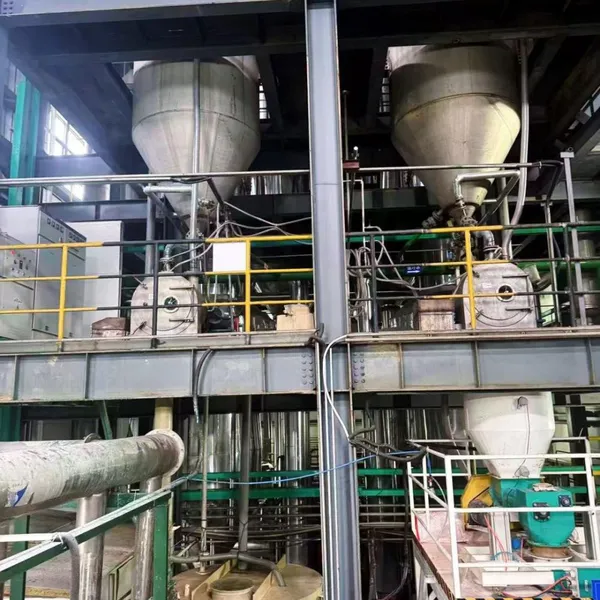
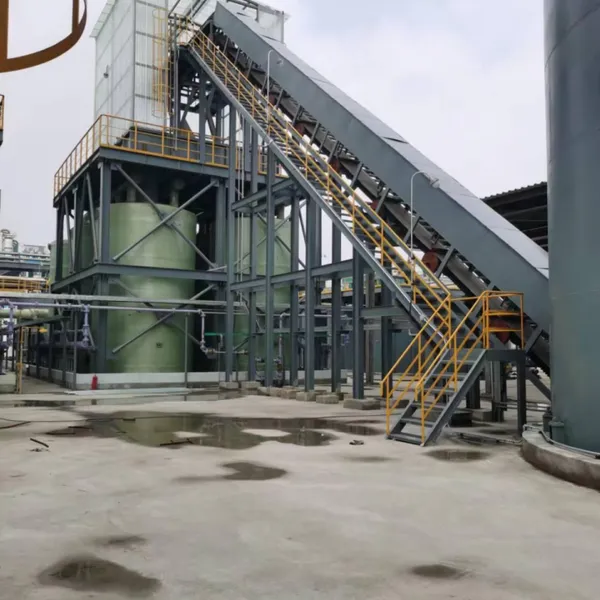
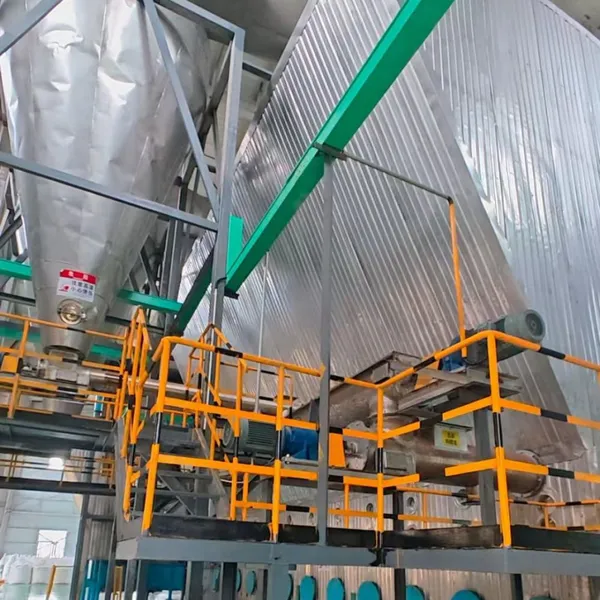
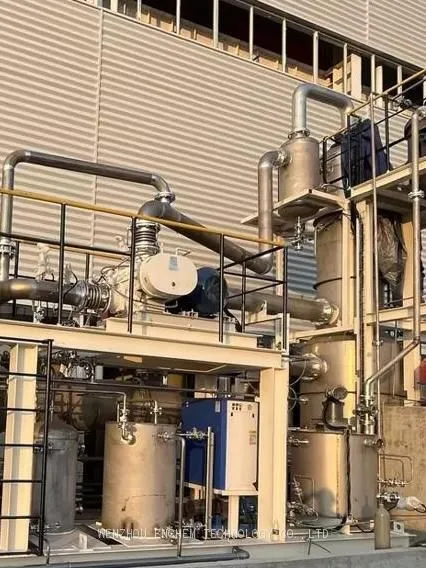
-
MVR Evaporator for Anhydrous Sodium Sulfate (Na₂SO₄) ProductionNegotiableMOQ: 1 Set
-
Ethanol Recovery System (Ethanol Recovery From Waste Liquid Soap)NegotiableMOQ: 1 Set
-
MVR Evaporator for Lithium Sulfate ConcentrationNegotiableMOQ: 1 Set
-
MVR EvaporatorNegotiableMOQ: 1 Set
-
MVR Evaporator for Smelting Wastewater TreatmentNegotiableMOQ: 1 Set