 Business License

Lithium Battery Recycling: Recovering Valuable Materials for a Sustainable Energy Future
Background and Significance of Lithium Battery Recycling
With the rapid growth of electric vehicles (EVs), renewable energy storage systems, and consumer electronics, lithium-ion batteries have become a fundamental component of modern energy infrastructure. As a growing number of batteries reach the end of their service life, efficient recycling has become increasingly important to address both environmental protection and resource sustainability challenges.
Improper disposal of spent lithium batteries may lead to environmental risks due to the presence of hazardous components, while also resulting in the loss of valuable strategic resources, including lithium (Li), nickel (Ni), cobalt (Co), and manganese (Mn).
Advanced lithium battery recycling technologies provide an effective solution by recovering these critical materials and transforming waste batteries into valuable secondary resources. Through efficient material recovery, recycling reduces dependence on primary mining, strengthens the security of the battery supply chain, and supports the sustainable development of the global new energy industry.
By integrating mechanical separation, hydrometallurgical extraction, evaporation, and crystallization technologies, modern lithium battery recycling plants can achieve high recovery rates while minimizing environmental impact and promoting the transition toward a circular economy.
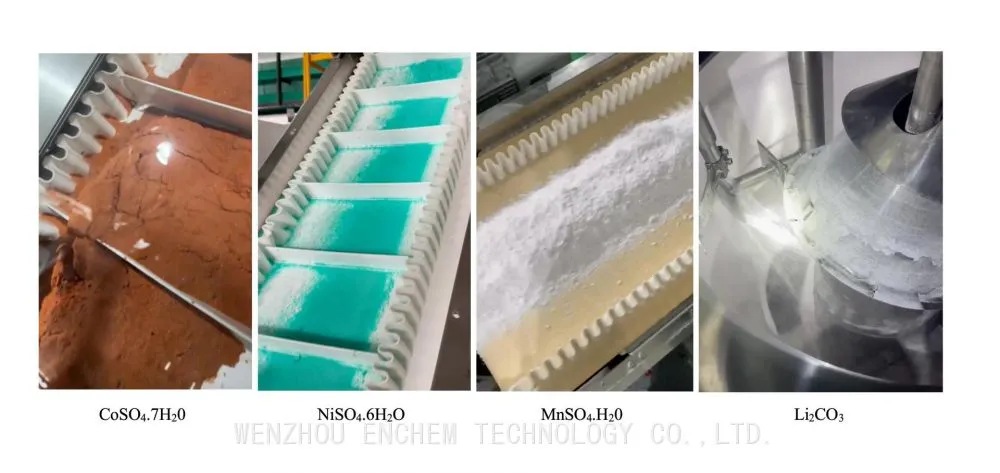
Main Products Recovered from Spent Lithium Battery Recycling
Through a combination of advanced pretreatment, mechanical separation, hydrometallurgical extraction, purification, and evaporation-crystallization processes, valuable metals contained in spent lithium batteries can be recovered and refined into high-purity, battery-grade products.
The main recovered materials include:
Nickel Sulfate (NiSO₄)
Nickel sulfate is a key raw material for the production of high-nickel ternary cathode materials used in electric vehicle batteries. Increasing nickel content helps improve battery energy density and driving range.
Cobalt Sulfate (CoSO₄)
Cobalt sulfate plays an important role in enhancing cathode material stability, safety performance, and battery cycle life.
Manganese Sulfate (MnSO₄)
Manganese sulfate contributes to improved structural stability and thermal performance of cathode materials while helping reduce overall battery material costs.
Lithium Carbonate (Li₂CO₃)
Lithium carbonate is a critical lithium compound widely used in lithium-ion battery cathode production and other battery material applications.
Through optimized purification and crystallization processes, these recovered products can meet the quality requirements for reuse in battery manufacturing.
Comprehensive Value of Spent Lithium Battery Recycling
Lithium battery recycling provides far more than waste treatment, it transforms end-of-life batteries into valuable resources and creates a sustainable pathway for battery material recovery.
After purification and recovery, the regenerated materials can be directly returned to the battery manufacturing supply chain, creating an efficient closed-loop recycling model:
Battery Production → Battery Usage → Battery Recycling → Material Recovery → Battery Remanufacturing
This closed-loop approach delivers multiple benefits:
Resource conservation: Reduces reliance on newly mined lithium, nickel, cobalt, and manganese resources.
Environmental protection: Minimizes potential pollution risks associated with improper battery disposal.
Economic value creation: Converts waste batteries into high-value battery-grade materials.
Supply chain security: Supports a stable and sustainable supply of critical battery materials.
Low-carbon development: Reduces energy consumption and carbon emissions compared with traditional resource extraction.
Evaporation and Crystallization: Key Technologies for Battery Material Recovery
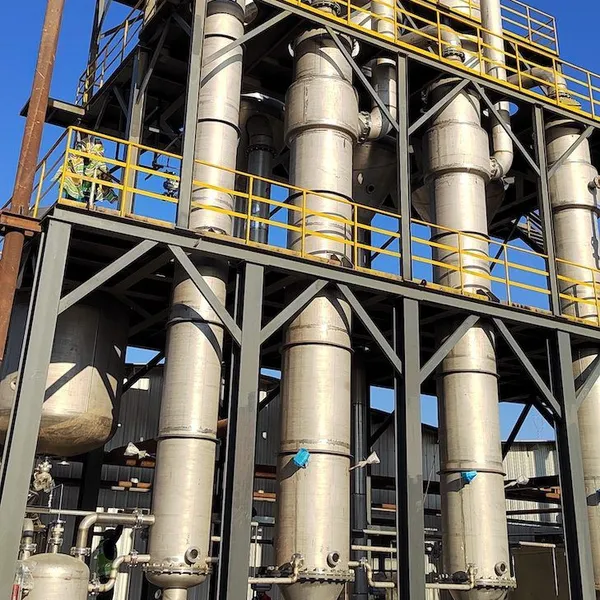
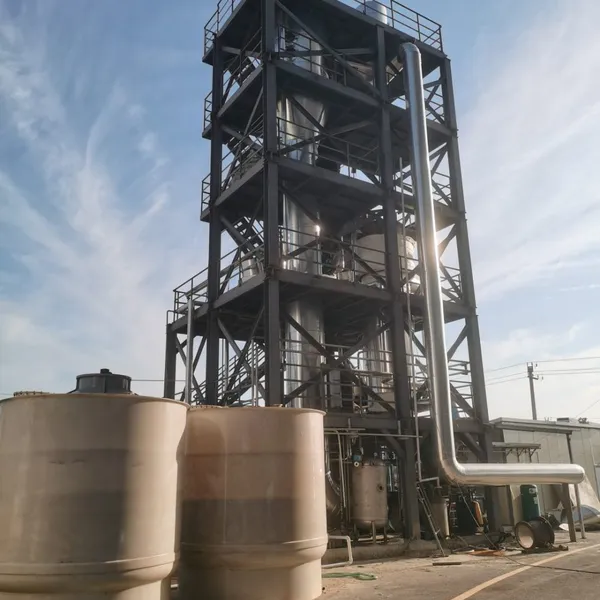
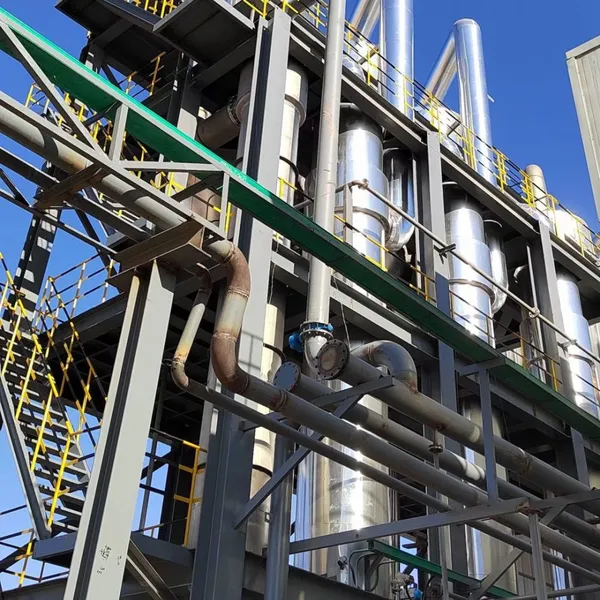
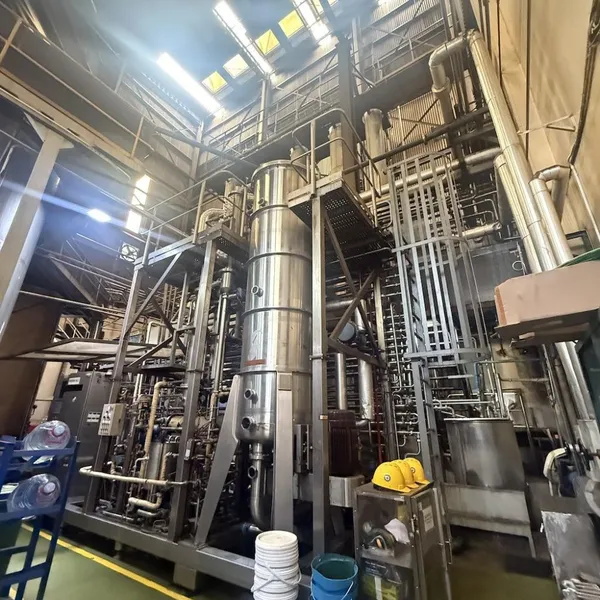
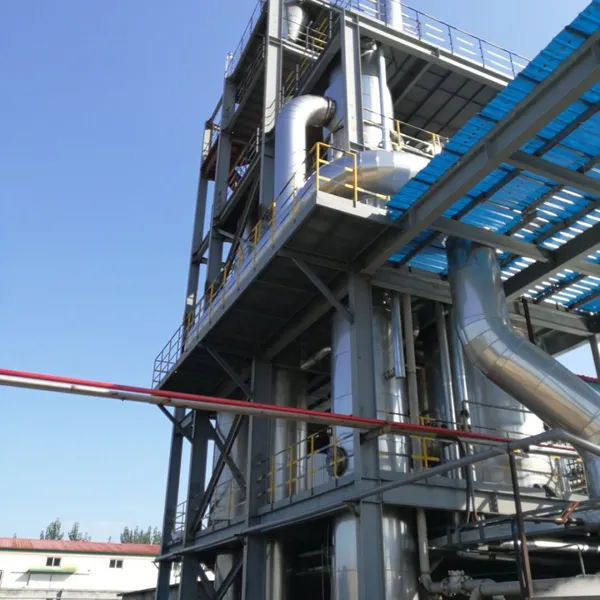
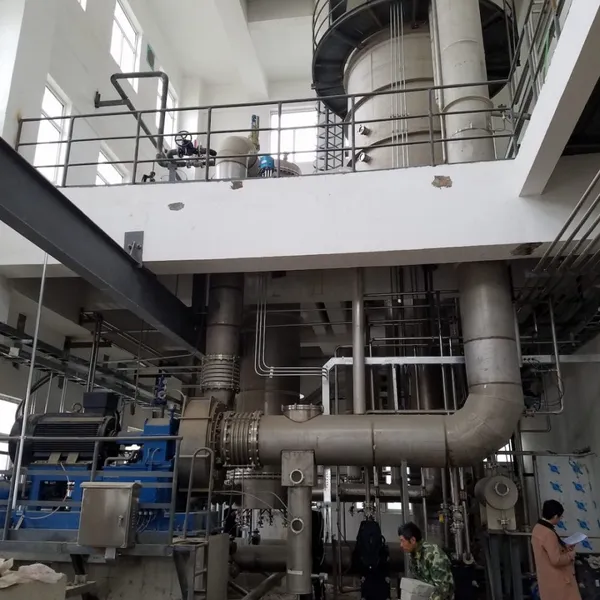
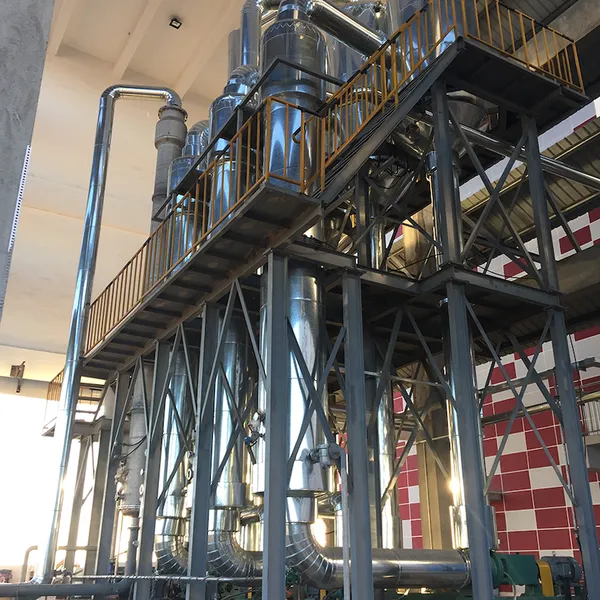
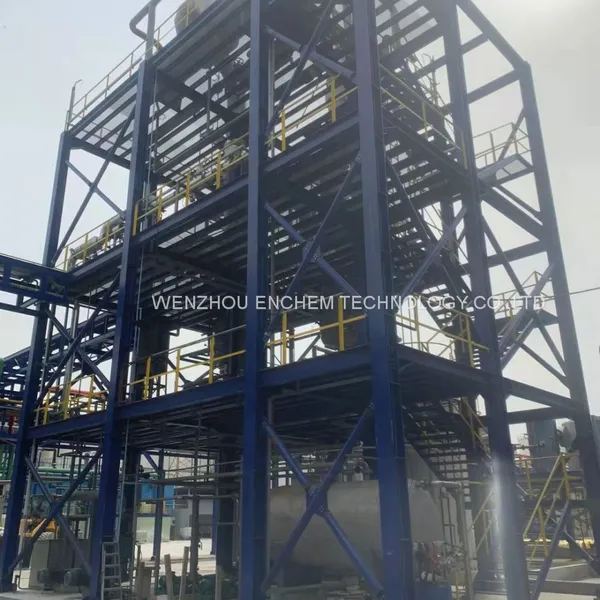
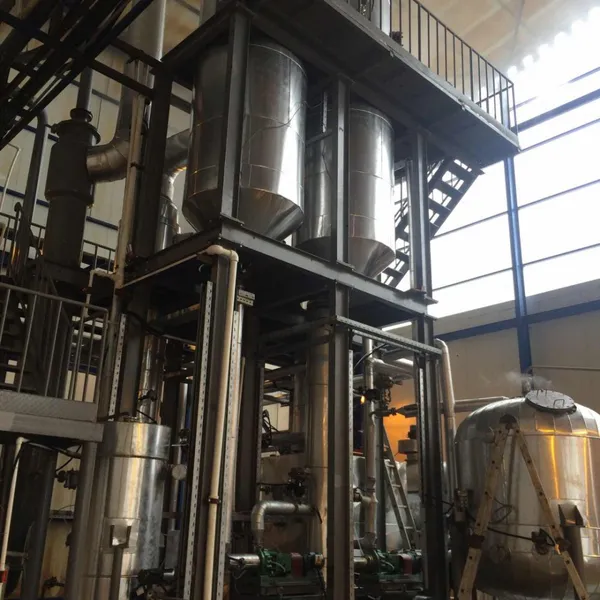
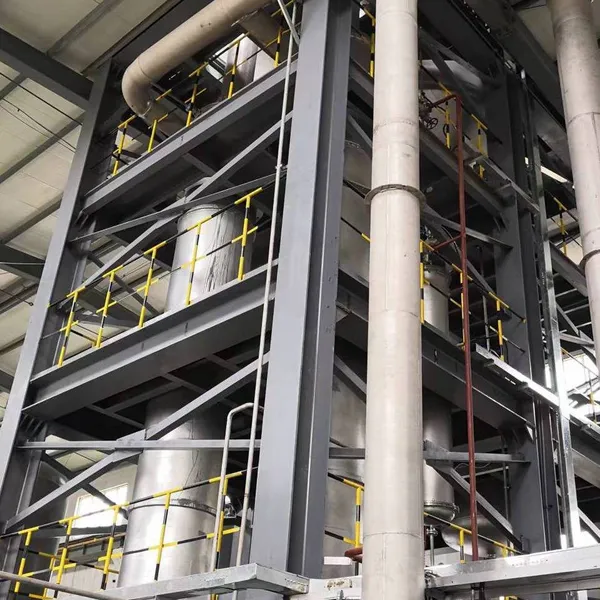
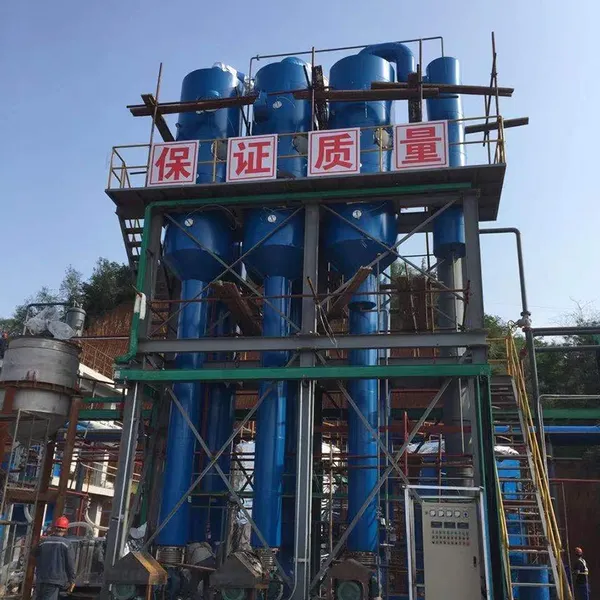
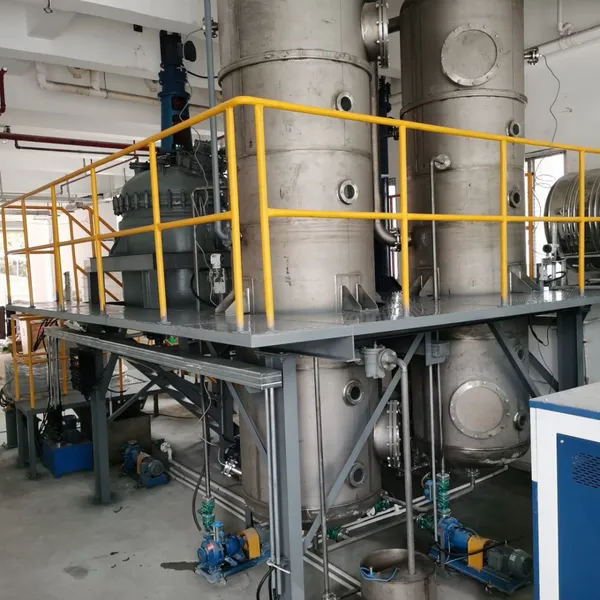
In lithium battery recycling plants, evaporation and crystallization systems play a critical role in converting purified metal sulfate solutions into high-purity crystalline products.
After hydrometallurgical extraction and purification, recovered solutions typically require further concentration and crystallization before they can be reused as battery-grade raw materials. Advanced technologies such as Mechanical Vapor Recompression (MVR) evaporators and Multi-Effect Evaporation (MEE) systems provide efficient concentration solutions with reduced energy consumption.
These systems enable:
Efficient concentration of nickel sulfate, cobalt sulfate, and manganese sulfate solutions;
Production of high-purity battery-grade crystals;
Recovery and reuse of process condensate water;
Reduced steam consumption and improved overall energy efficiency.
By integrating advanced evaporation and crystallization technologies, lithium battery recycling plants can achieve higher resource recovery efficiency and more sustainable operation.
Conclusion
Lithium battery recycling is becoming an essential part of the global transition toward sustainable energy. By recovering valuable battery materials and returning them into the manufacturing cycle, recycling technologies help reduce resource consumption, protect the environment, and support the development of a circular economy.
Through advanced process solutions, including hydrometallurgical extraction, evaporation, and crystallization technologies, we are committed to providing efficient, reliable, and sustainable solutions for lithium battery recycling projects, helping customers maximize resource recovery and build the next generation of green energy industries.
Recently Posted
-
MVR vs TVR: Efficiency, Cost, and Application Guide
September 2, 2026In the industrial evaporation field, energy-saving technologies have become critical for reducing operational costs and minimizing Read More
 -
Successful Commissioning of the Potassium-Sodium Separation Four-Effect Evaporator
September 2, 2026OverviewWe are delighted to announce the successful commissioning of the Potassium–Sodium Separation Four-Effect Evaporator System
Read More -
What Is an FC Crystallizer? Design, Working Principle, and Applications
September 2, 2026OverviewCrystallizers can be classified according to their material circulation methods. Among the various crystallizer designs us
Read More -
DTB (Draft Tube Baffle) Crystallizer Guide: Design, Process, and Uses
September 2, 2026OverviewCrystallizers can be classified according to their material circulation methods. Among the most widely used industrial cry
Read More

Contact Us
Recommended Products
-
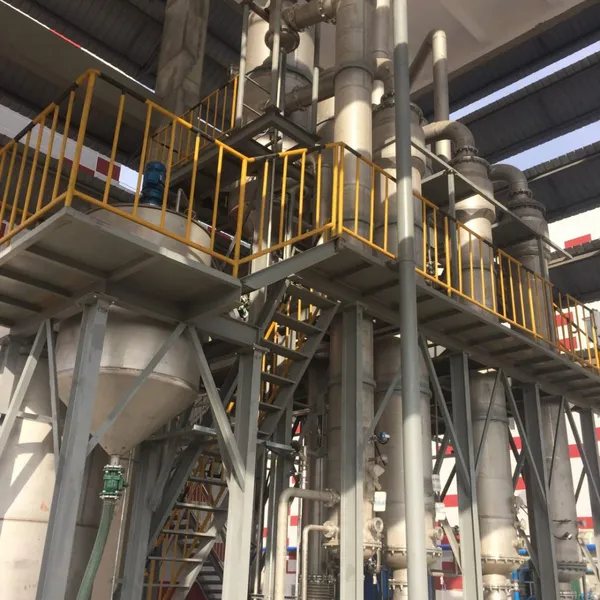
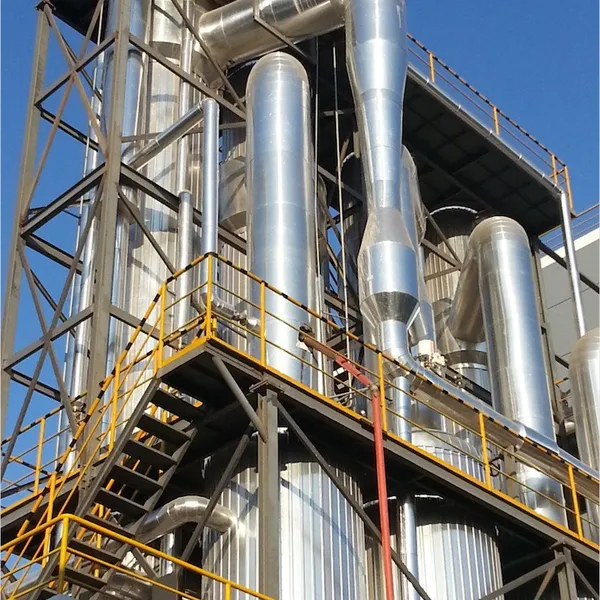
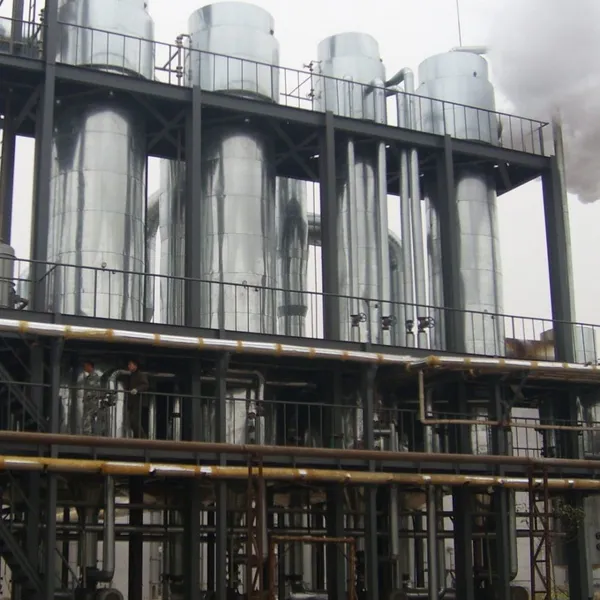
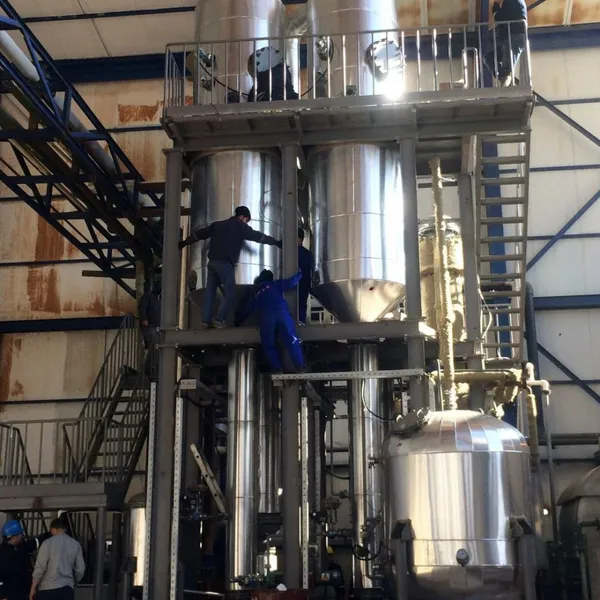
 Titanium Triple-effect Evaporator for Lithium Battery RecycleNegotiableMOQ: 1 Set
 -
Four-effect Falling Film Evaporator for Coffee Extract ConcentrationNegotiableMOQ: 1 Set
-
MVR Evaporator for Dyeing Wastewater TreatmentNegotiableMOQ: 1 Set
-
MVR Evaporator for Landfill Leachate TreatmentNegotiableMOQ: 1 Set
-
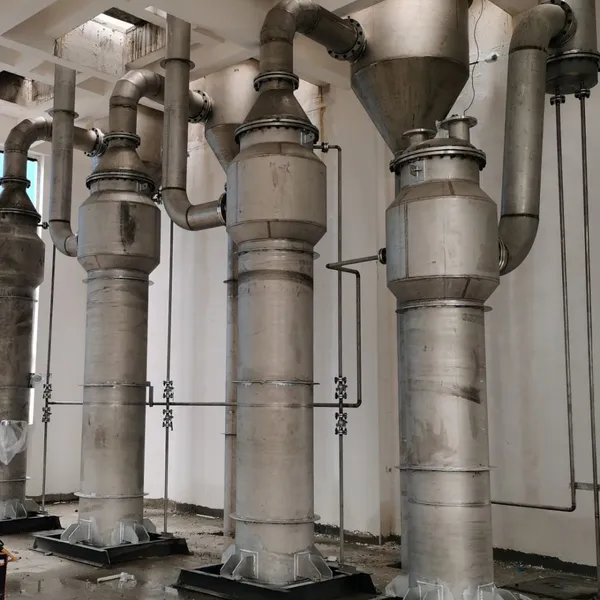
Triple-effect Forced Circulation Evaporator for Cobaltous Sulfate RecoveryNegotiableMOQ: 1 Set
-
Double-effect Countercurrent and Falling Film Evaporator for Caustic Soda ConcentrationNegotiableMOQ: 1 Plant
-
Double-effect Forced Circulation Evaporator for Calcium Chloride ConcentrationNegotiableMOQ: 1 Set
-
MVR Evaporator for Smelting Wastewater TreatmentNegotiableMOQ: 1 Set
-
Triple-effect Forced Circulation Evaporator for High Salinity Wastewater TreatmentNegotiableMOQ: 1 Set
-
Double-effect Central Circulation Evaporator for Metallurgy Effluent TreatmentNegotiableMOQ: 1 Set
-
Triple-effect Forced Circulation Evaporator for Mix Salt Wastewater TreatmentNegotiableMOQ: 1 Set
-
MVR Evaporator for Bio-pharmaceutical Wastewater TreatmentNegotiableMOQ: 1 Set
-
Calcium Chloride Solution Preparation and Refining PlantNegotiableMOQ: 1 Set
-
Vacuum Decompression Concentrator (Tank)NegotiableMOQ: 1 Set
-
Ammonium Sulfate Crystalline Powder Evaporation and Drying PlantNegotiableMOQ: 1 Set