 Business License

WHAT IS EVAPORATION?
Evaporation is the passage from the liquid to the gaseous state that only impacts the surface of the liquid. On the other end, if boiling temperature (different for each specific liquid and pressure connected) is exceeded, the constancy of the temperature and pressure parameters let the boiling process happen. Both processes fall under the name of vaporization.
There are usually three purpose of evaporation operations in chemical production :
① a concentrated solution is obtained directly as a chemical product or semi-finished product.
② the solvent is removed by evaporation, the solution is concentrated to saturation, followed by cooling, the solid porducts is precipitated, that is, the combined operation of evaporation and crystallization is adopted to obtain a solid solute.
③ solute is removed and pure solvent is obtained.
Evaporation operations can be carried out continuously or intermittently, and the evaporation of large quantities of materials in industry is usually a continuous process in a fixed state
Recently Posted
-
Comparison of DTB, Oslo, and FC Crystallizers: Principles, Characteristics, and Applications
August 12, 2026AbstractIndustrial crystallization is widely used in chemical, fertilizer, pharmaceutical, and wastewater treatment industries for Read More
 -
Liquid Ring Vacuum Pumps in Evaporation System
August 12, 2026AbstractVacuum systems play a crucial role in industrial evaporation processes by reducing operating pressure and enabling low-tem
Read More -
Achieving Low Residual Moisture Content in Industrial Salt Crystallization Processes
August 12, 2026The Importance of Low Residual Moisture ContentIn industrial crystallization and salt production processes, achieving low residual
Read More -
Successful Commissioning of Instant Coffee Liquor 4-Effect Evaporator Upgrading Project in Indonesia
August 11, 2026We are proud to announce the successful commissioning of an Instant Coffee Liquor 4-effect evaporator upgrading project in Indones
Read More

Contact Us
Recommended Products
-
 MVR Distillation TechnologyNegotiableMOQ: 1 Set
 -
Potassium-Sodium Separation EvaporatorNegotiableMOQ: 1 Set
-
Barium Chloride Evaporation and Crystallization System for Industrial ProductionNegotiableMOQ: 1 Set
-
Industrial Multi-Effect Evaporation Crystallization System for Barium Chloride ProductionNegotiableMOQ: 1 Set
-
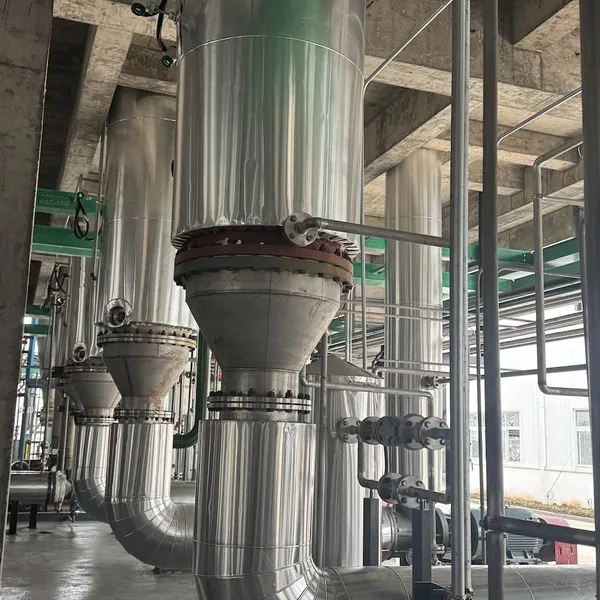
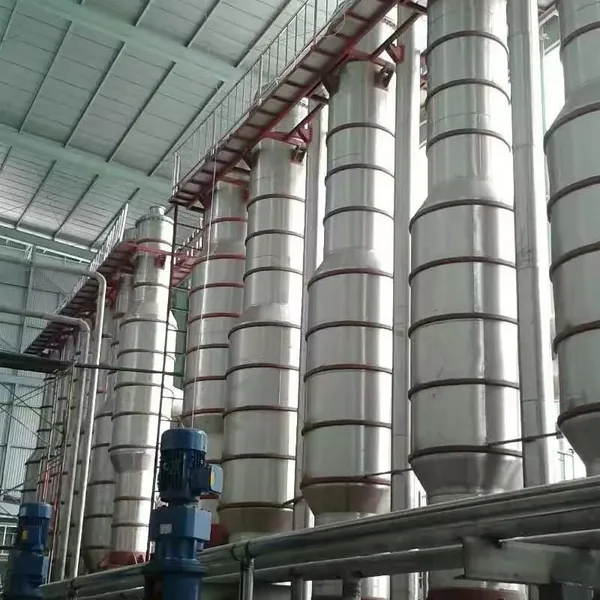
Five-effect Falling Film Evaporator for HFCS ConcentrationNegotiableMOQ: 1 Set
-
Hybrid Calcium Chloride Concentration Evaporator SystemNegotiableMOQ: 1 Set
-
Containerized Low-Temperature Heat Pump Crystallization EvaporatorNegotiableMOQ: 1 Set
-
Containerized Low-Temperature Heat Pump Concentration EvaporatorNegotiableMOQ: 1 Set
-
Containerized MVR EvaporatorNegotiableMOQ: 1 Set
-
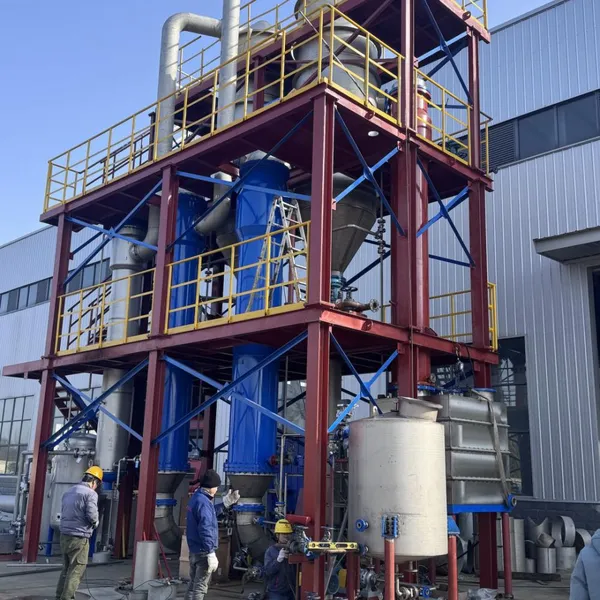
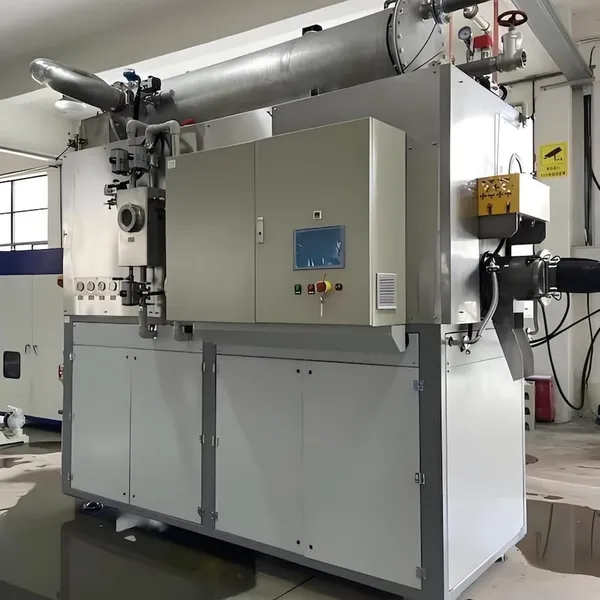
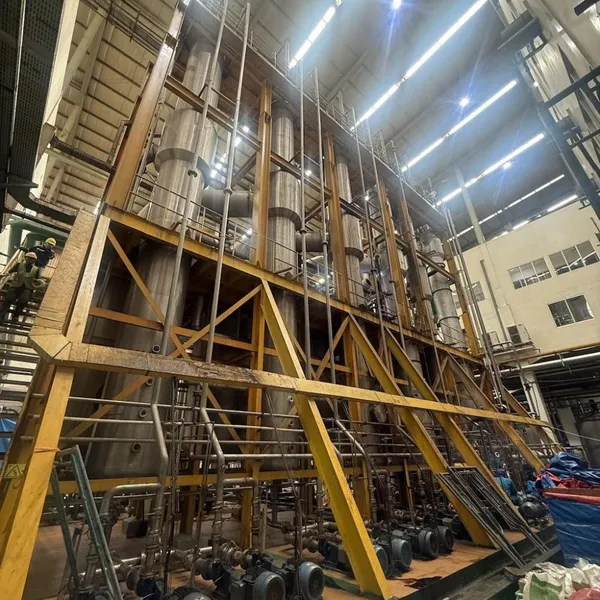
4-Effect TVR Evaporator for Instant Coffee ProductionNegotiableMOQ: 1 Set
-
MVR Evaporator System for Lithium Battery Black Mass Leachate CrystallizationNegotiableMOQ: 1 Set
-
Battery-Grade Nickel Sulfate Hexahydrate Evaporation & Crystallization PlantNegotiableMOQ: 1 Set
-
Waste Hydrochloric Acid Recycling Solution and Calcium Chloride Production SolutionNegotiableMOQ: 1 Set
-
Anhydrous Calcium Chloride Granulation & Drying SystemNegotiableMOQ: 1 Set
-
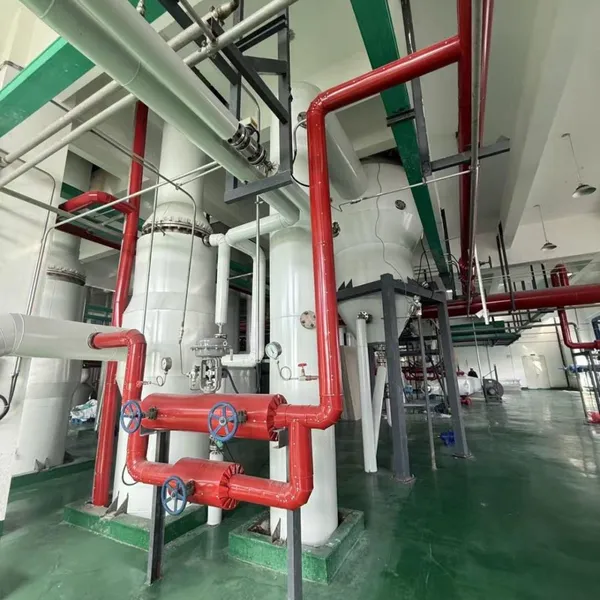
Skid-Mounted MVR Evaporator SystemNegotiableMOQ: 1 Set
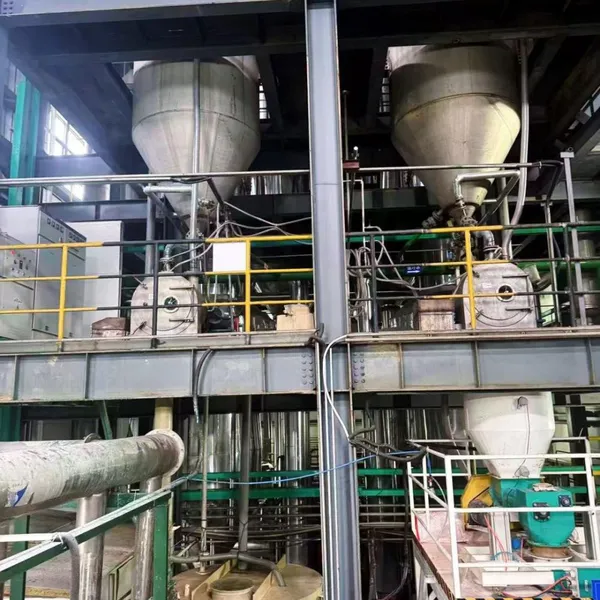
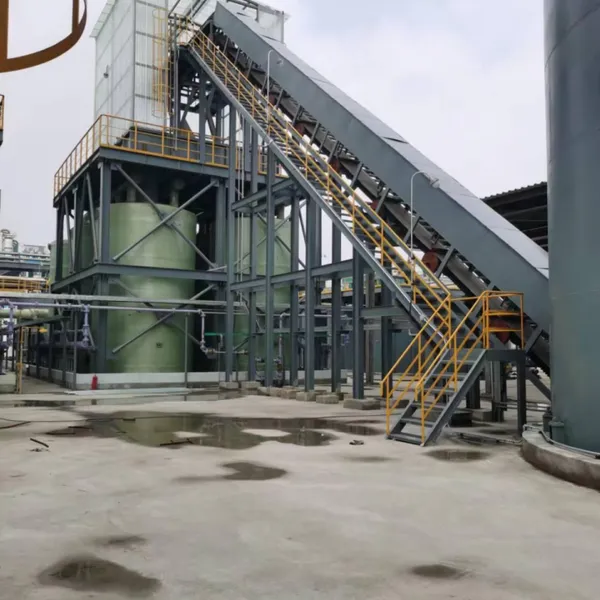
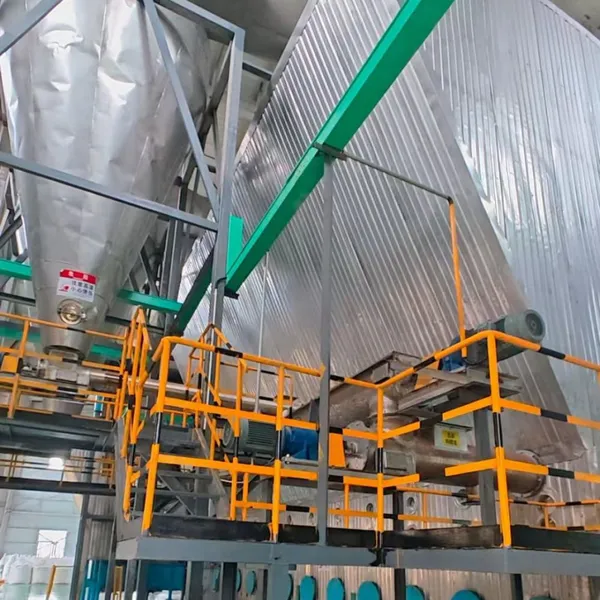
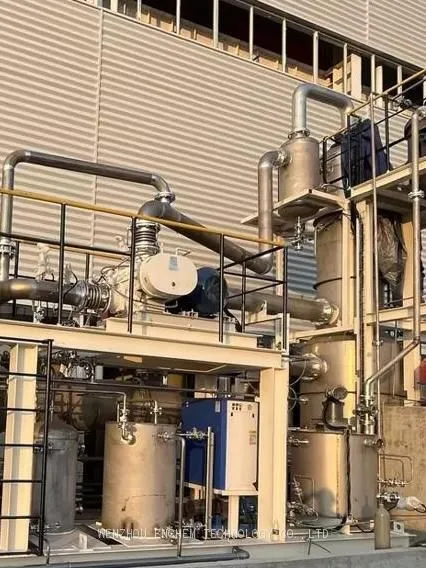
-
MVR Evaporator for Anhydrous Sodium Sulfate (Na₂SO₄) ProductionNegotiableMOQ: 1 Set
-
Ethanol Recovery System (Ethanol Recovery From Waste Liquid Soap)NegotiableMOQ: 1 Set
-
MVR Evaporator for Lithium Sulfate ConcentrationNegotiableMOQ: 1 Set
-
MVR EvaporatorNegotiableMOQ: 1 Set
-
MVR Evaporator for Smelting Wastewater TreatmentNegotiableMOQ: 1 Set