 Business License

The Removal Rate of COD in Evaporation Process
The COD (Chemical Oxygen Demand) level in wastewater is mainly determined by the concentration and characteristics of organic compounds present in the wastewater. During the evaporation process, organic substances may behave differently depending on their volatility and boiling characteristics.
For high-boiling-point organic compounds
They tend to remain in the concentrated solution and are discharged together with salts through the solid waste or liquid waste stream. As a result, the COD concentration in the evaporated condensate can be significantly reduced.
For low-boiling-point organic compounds
They may evaporate together with water vapor and enter the condensate system. In this case, the COD removal efficiency of the evaporation process may be limited, and the COD level in the condensate may not decrease significantly.
Therefore, the COD removal rate during evaporation is highly dependent on the specific composition, concentration, and properties of the organic compounds contained in the wastewater. If detailed information regarding the type and content of organic matter is available, a preliminary assessment of COD removal performance can be conducted. However, the most reliable method is to perform an evaporation test to evaluate the actual COD removal efficiency under simulated operating conditions.
At Enchem Technology, an evaporation test is always conducted to simulate the actual wastewater evaporation process before the design and manufacture of an evaporator system. This ensures that the final system design is technically reliable, economically optimized, and tailored to the specific wastewater characteristics.
The evaporation test typically includes the following evaluations:
1. pH value of wastewater
The wastewater pH is evaluated, and neutralization is recommended when necessary to improve compatibility with construction materials and reduce corrosion risks.
2. Specific gravity of wastewater
The wastewater density is measured, which is an important parameter for selecting suitable pumps and determining the hydraulic design of the evaporator system.
3. Boiling point evaluation under atmospheric and vacuum conditions
The boiling characteristics of wastewater are tested under different pressure conditions to determine suitable evaporation operating parameters.
4. Concentration behavior observation
The physical characteristics of wastewater at different concentration levels are observed, including viscosity changes, crystallization behavior, and potential scaling risks.
5. Condensate quality analysis
The quality of the evaporated condensate is analyzed to determine the appropriate material selection and design requirements for the condensate recovery system.
Based on the experimental results, Enchem Technology can design and manufacture a customized evaporator system with optimized performance, reliable operation, and maximum treatment efficiency for each specific wastewater application.
Recently Posted
-
MVR vs TVR: Efficiency, Cost, and Application Guide
September 2, 2026In the industrial evaporation field, energy-saving technologies have become critical for reducing operational costs and minimizing Read More
 -
Successful Commissioning of the Potassium-Sodium Separation Four-Effect Evaporator
September 2, 2026OverviewWe are delighted to announce the successful commissioning of the Potassium–Sodium Separation Four-Effect Evaporator System
Read More -
What Is an FC Crystallizer? Design, Working Principle, and Applications
September 2, 2026OverviewCrystallizers can be classified according to their material circulation methods. Among the various crystallizer designs us
Read More -
DTB (Draft Tube Baffle) Crystallizer Guide: Design, Process, and Uses
September 2, 2026OverviewCrystallizers can be classified according to their material circulation methods. Among the most widely used industrial cry
Read More

Contact Us
Recommended Products
-
 Titanium Triple-effect Evaporator for Lithium Battery RecycleNegotiableMOQ: 1 Set
 -
Four-effect Falling Film Evaporator for Coffee Extract ConcentrationNegotiableMOQ: 1 Set
-
MVR Evaporator for Dyeing Wastewater TreatmentNegotiableMOQ: 1 Set
-
MVR Evaporator for Landfill Leachate TreatmentNegotiableMOQ: 1 Set
-
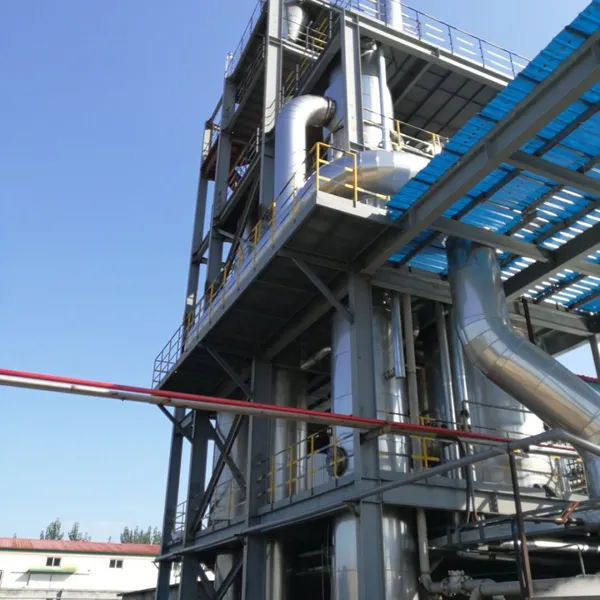
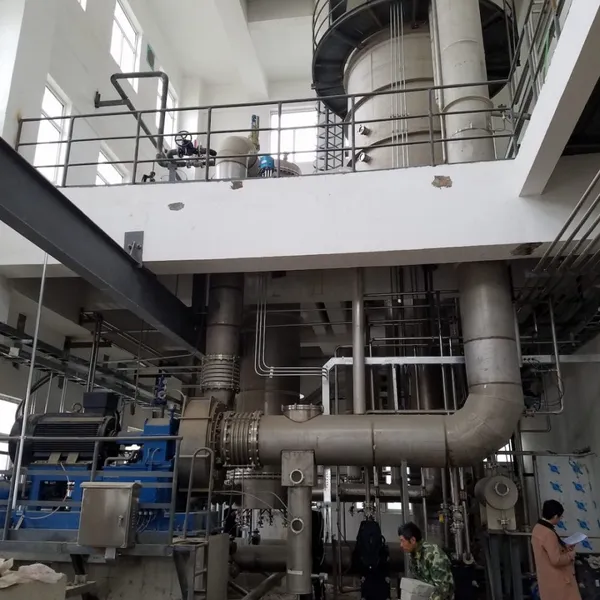
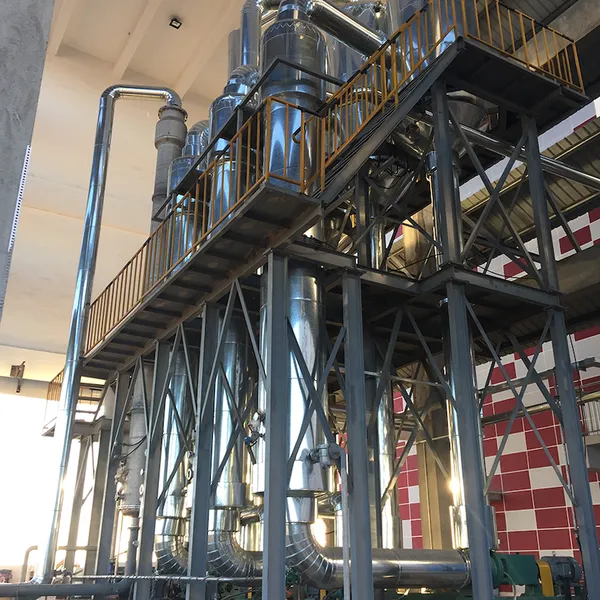
Triple-effect Forced Circulation Evaporator for Cobaltous Sulfate RecoveryNegotiableMOQ: 1 Set
-
Double-effect Countercurrent and Falling Film Evaporator for Caustic Soda ConcentrationNegotiableMOQ: 1 Plant
-
Double-effect Forced Circulation Evaporator for Calcium Chloride ConcentrationNegotiableMOQ: 1 Set
-
MVR Evaporator for Smelting Wastewater TreatmentNegotiableMOQ: 1 Set
-
Triple-effect Forced Circulation Evaporator for High Salinity Wastewater TreatmentNegotiableMOQ: 1 Set
-
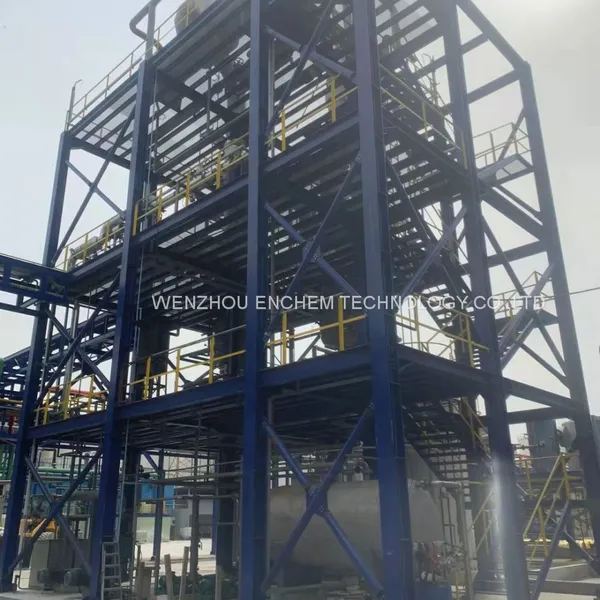
Double-effect Central Circulation Evaporator for Metallurgy Effluent TreatmentNegotiableMOQ: 1 Set
-
Triple-effect Forced Circulation Evaporator for Mix Salt Wastewater TreatmentNegotiableMOQ: 1 Set
-
MVR Evaporator for Bio-pharmaceutical Wastewater TreatmentNegotiableMOQ: 1 Set
-
Calcium Chloride Solution Preparation and Refining PlantNegotiableMOQ: 1 Set
-
Vacuum Decompression Concentrator (Tank)NegotiableMOQ: 1 Set
-
Ammonium Sulfate Crystalline Powder Evaporation and Drying PlantNegotiableMOQ: 1 Set